0
Total Launches
0
Successful
0%
Success Rate
0
Consec. Success
The Story
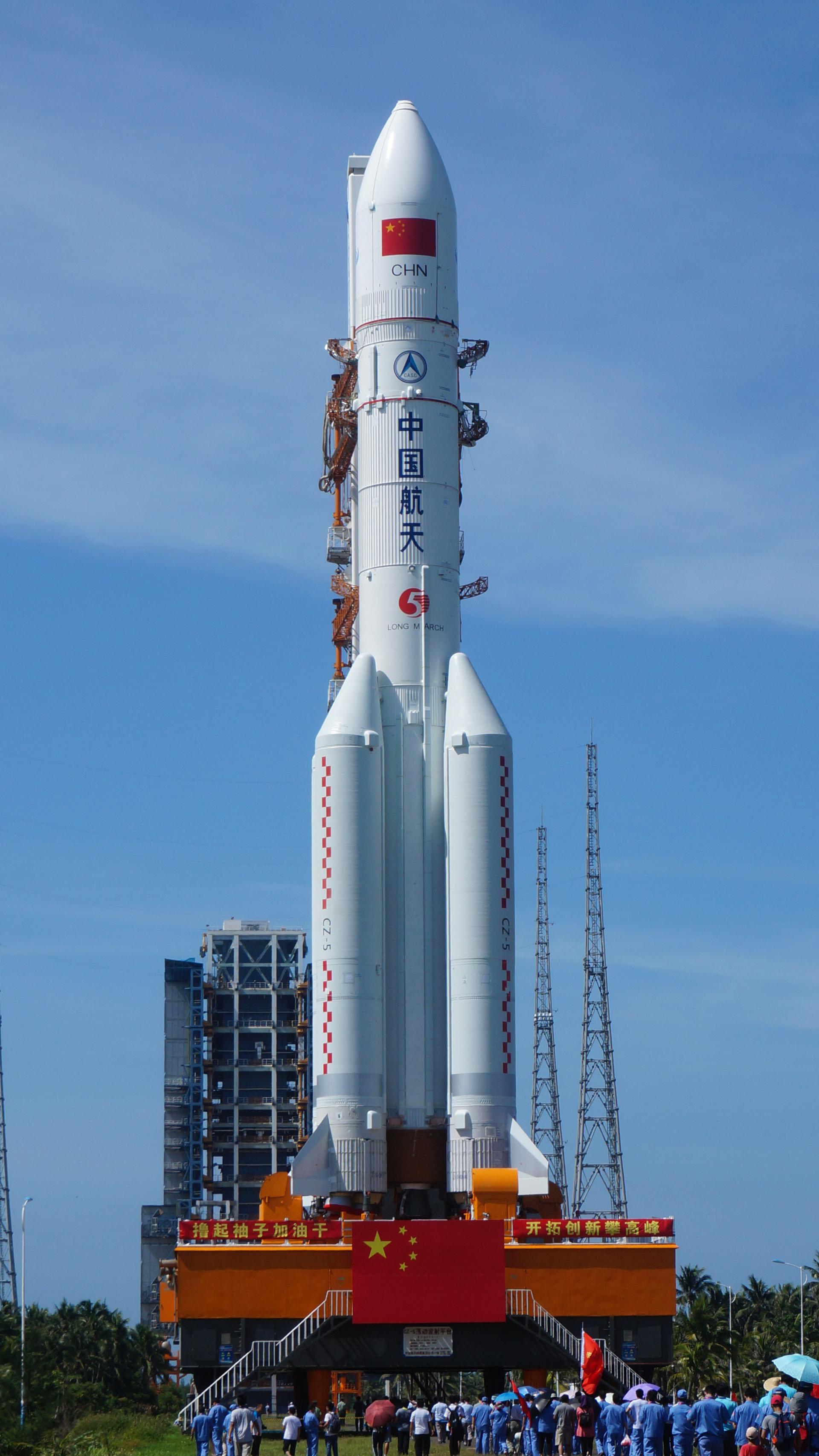
CASC is the state-owned backbone of China's entire space programme — the organisation that built the Long March rocket family, launched China's first satellite in 1970, and delivered taikonauts to orbit. Unlike Western counterparts shaped by competition, CASC operates as a vertically integrated national instrument: it ...
In short
“China's space programme is not catching up — in launch volume, lunar exploration, and orbital infrastructure, it is competing on equal terms with anyone on Earth.”
Long March rockets have completed over 500 flights with a success rate above 96%
China's Tiangong station was built entirely without NASA cooperation due to US congressional restrictions
CASC employs over 180,000 people across its aerospace subsidiaries
The Long March 9 is designed to lift 150 tonnes to LEO — matching NASA's SLS Block 2 on paper
Milestones
1970
China reaches orbit
Dong Fang Hong 1 aboard Long March 1 makes China the fifth orbital nation
2003
First taikonaut
Yang Liwei becomes China's first taikonaut aboard Shenzhou 5
2007
Chang'e 1
Chang'e 1 enters lunar orbit, beginning China's systematic Moon programme
2019
Lunar far side
Chang'e 4 makes first-ever soft landing on the lunar far side
2021
Mars landing
Tianwen-1 lands Zhurong rover on Mars on first attempt
2022
Tiangong complete
Tiangong Space Station fully assembled and permanently crewed
2024
Far side samples
Chang'e 6 returns first samples from the lunar far side
Key People
What's Next
The road ahead for China Aerospace Science and Technology Corporation
CASC is developing the Long March 9 — a super-heavy rocket in the same class as SLS and Starship — targeting crewed lunar landings by the early 2030s. A fully independent Chinese Space Station, Tiangong, is already operational and permanently crewed. Mars sample return and a Jupiter mission are in active development.