0
Total Launches
0
Successful
0%
Success Rate
0
Consec. Success
The Story
Roscosmos is the institutional heir to the Soviet space programme that launched the world's first satellite, the first human, and the first spacewalk. For two decades after the Space Shuttle's retirement in 2011, it was the only way humans reached the International Space Station — a monopoly that funded the agency thro...
In short
“The Soyuz rocket has launched more humans into space than any other vehicle in history — a record that will stand for decades regardless of what comes next.”
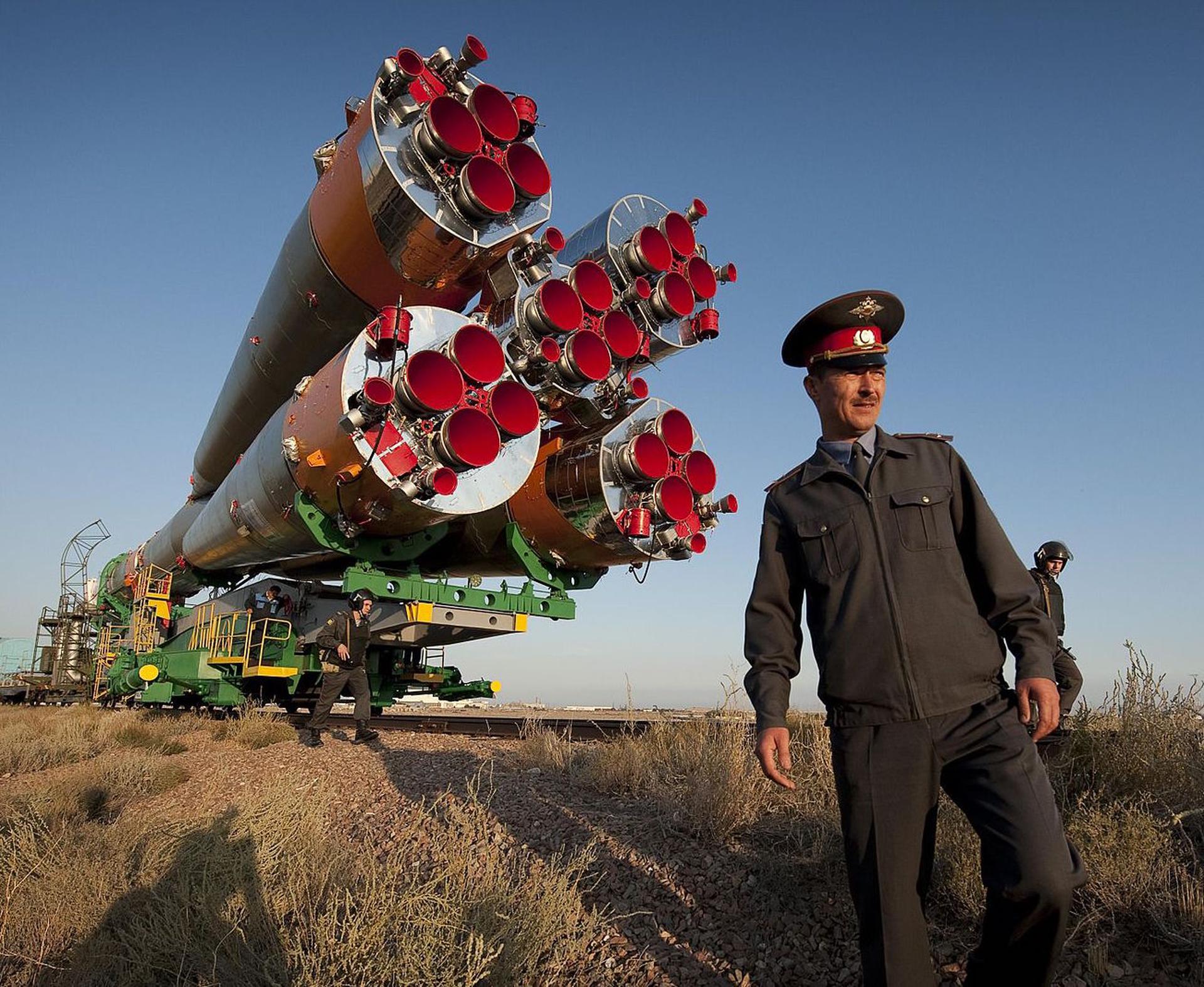
The Soyuz rocket family has completed over 1,900 launches since 1966
Russia has launched more humans into space than any other nation
The RD-180 engine, developed by Russia, powered the US Atlas V rocket for two decades
Cosmonauts hold the record for longest single spaceflight: Valeri Polyakov's 437 days aboard Mir
Milestones
1957
Sputnik 1
First artificial satellite launches the Space Age
1961
First human in space
Yuri Gagarin orbits Earth aboard Vostok 1
1965
First spacewalk
Alexei Leonov performs the world's first EVA
1971
First space station
Salyut 1 becomes the world's first space station
1986
Mir launched
Mir space station begins 15 years of continuous operation
1998
ISS foundation
Zarya module — the first ISS component — launched on a Proton
2011
Sole crew transport
Soyuz operates as the only crew route to the ISS following Shuttle retirement
Key People
What's Next
The road ahead for Russian Federal Space Agency (ROSCOSMOS)
Roscosmos is developing Orel, a next-generation crewed spacecraft intended to replace Soyuz for deep space missions. The Angara rocket family is being scaled up to take over from Proton. Russia's lunar programme, Luna-25 through Luna-27, aims to return to the Moon's south pole — though Luna-25 crashed in 2023, marking the programme's first setback since the Soviet era.