Mission Overview
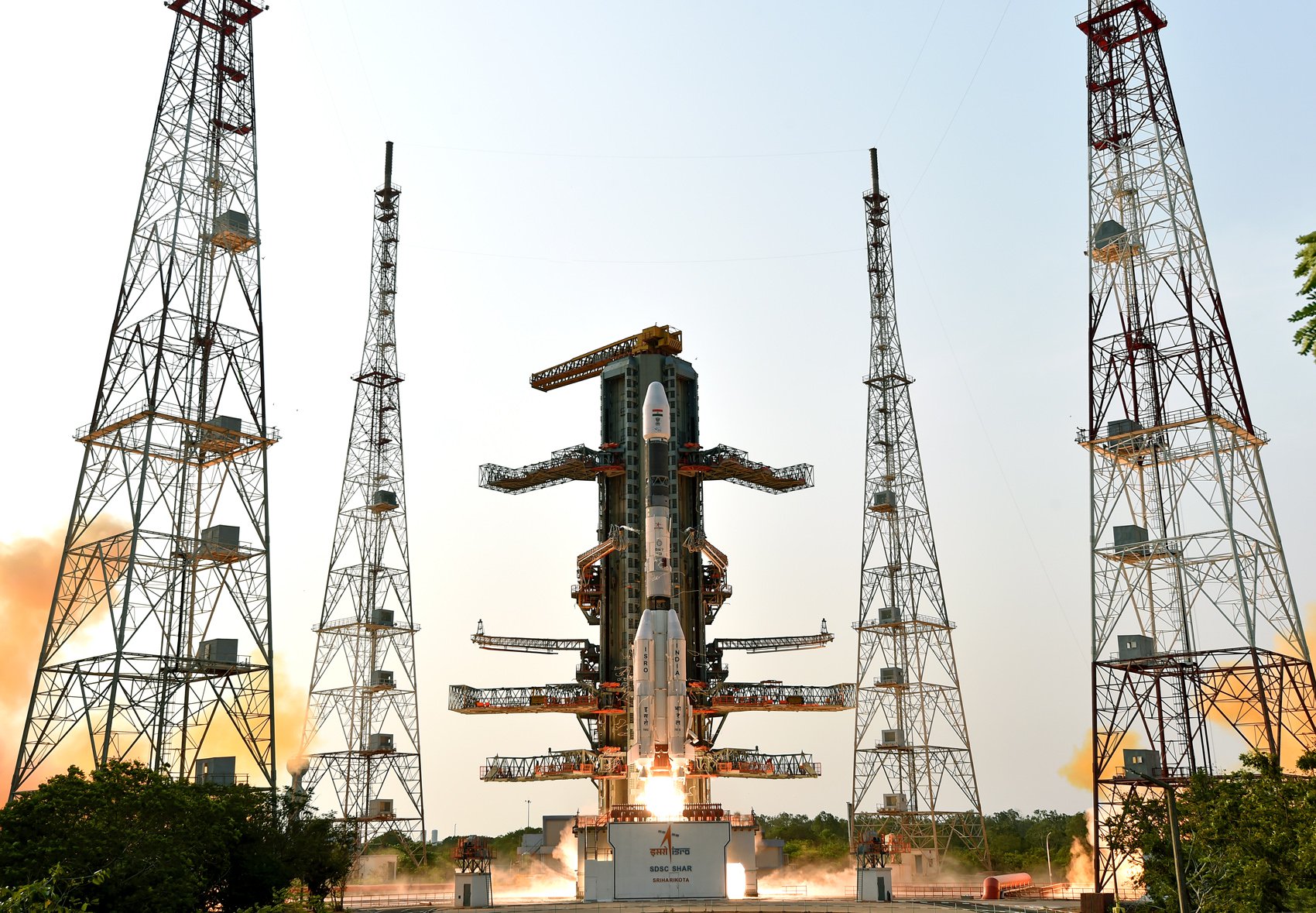
GSLV Mk II, provided by the Indian Space Research Organization, is set to launch IRNSS-1L (NVS-03) from Satish Dhawan Space Centre, India on December 31, 2026 at 12:00 AM UTC. Indian Space Research Organization will oversee the mission, utilizing the GSLV Mk II launch vehicle to carry the payload into a Geostationary Transfer Orbit. This orbit is targeted to facilitate the satellite's operation as a replacement for the Indian Regional Navigation Satellite System. GSLV Mk II is scheduled to deliver the IRNSS-1L (NVS-03) payload, expanding the capabilities of the Indian Regional Navigation Satellite System.
Aboard the rocket, IRNSS-1L (NVS-03) is a navigation satellite that will provide an alternative to GPS for military and civilian use in India. Indian Space Research Organization's launch of IRNSS-1L (NVS-03) on the GSLV Mk II will place the payload into a Geostationary Transfer Orbit, from which it will be utilized by the Indian government to offer continuous navigation services. The IRNSS-1L (NVS-03) payload is part of a constellation operated by the Indian government, and its launch on the GSLV Mk II is scheduled for December 31, 2026, marking a specific addition to the Indian Regional Navigation Satellite System, with the Indian Space Research Organization responsible for its operation.
Related Missions
Rocket
