Falcon 9 booster to fly for 34th time on Starlink delivery mission
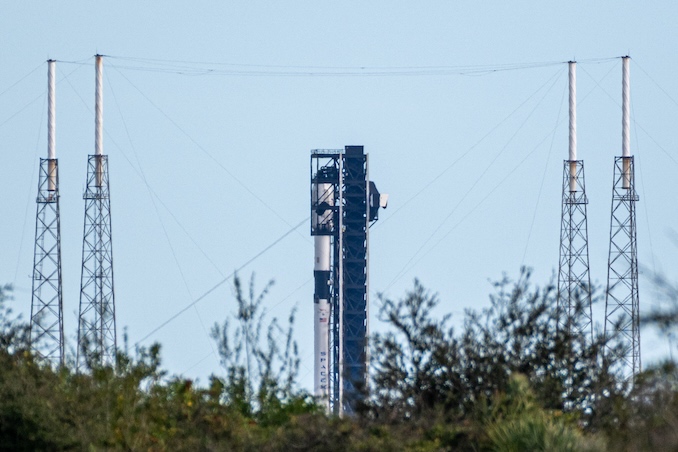
SpaceX will launch the Falcon 9 booster designated 1076 for a record‑breaking 34th flight on Monday, deploying the Starlink 6‑88 batch of 29 internet‑service satellites. Liftoff is slated for the opening of the launch window at 5:15 p.m. EDT (2115 UTC) from Space Launch Complex 40 at Cape Canaveral Space Force Station, Florida. Forecasts issued Sunday gave a 70 percent probability that weather conditions will satisfy the cumulus‑cloud, surface‑electric‑field and thick‑cloud‑layer constraints required for launch.
The mission will use a Falcon 9 first stage that entered SpaceX’s reusable fleet in 2021 and has previously supported a diverse set of payloads, including two Commercial Resupply Services missions (CRS‑22, CRS‑25), four crewed flights (Crew‑3, Crew‑4, Crew‑6, USSF‑124), and commercial satellites such as Turksat 5B, Eutelsat Hotbird 13G, SES O3B mPOWER‑A, PSN Satria, Telkomsat Merah Putih 2, Galileo L13 and Koreasat‑6A. In addition to those flights, the booster has launched 22 batches of Starlink satellites. After separating from the payload, the first stage performed a controlled descent and touched down on the Atlantic‑based drone ship “Just Read the Instructions” approximately 8.5 minutes after liftoff.
Achieving a 34th flight extends the operational lifespan of a single booster beyond any prior record in the commercial launch sector, underscoring SpaceX’s emphasis on rapid reusability to lower launch costs. The continued use of the same hardware for both crewed missions and high‑value commercial payloads demonstrates the versatility of the Falcon 9 architecture. Maintaining a high flight cadence for Starlink satellites supports SpaceX’s ongoing expansion of its broadband constellation, while the successful recovery of the booster reinforces the economic model that enables the company to sustain frequent launches from Cape Canaveral’s historic pad 40.
Related Launch

Launch Provider