ESA Seeks Commercial Provider to Transport Payload to the Moon
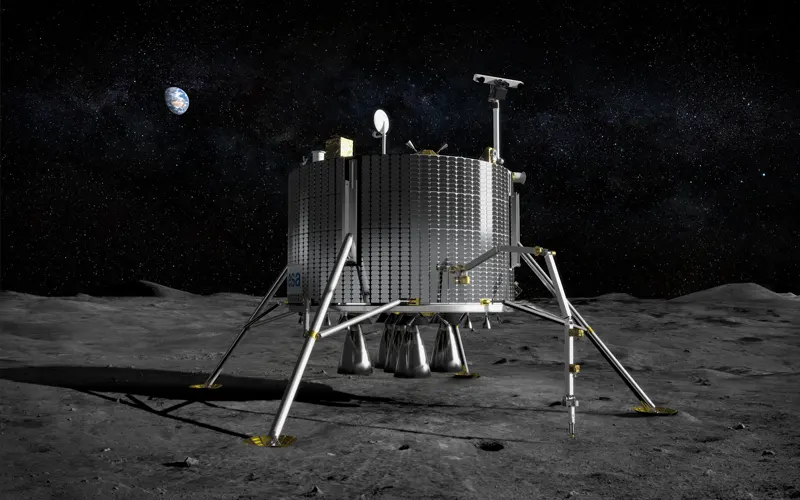
The European Space Agency announced on 19 March 2024 that it is issuing a procurement request for a commercial partner to deliver its follow‑on NILS2 payload to the lunar surface. The call follows the successful deployment of the original Negative Ions at the Lunar Surface (NILS) instrument on 1 June 2024, when it landed aboard China’s Chang’e 6 lander and began measuring negatively charged ions generated by solar‑wind interactions with regolith. ESA aims to secure a provider that can transport NILS2, operate the experiment, and return the resulting scientific data to Earth.
The first NILS experiment, built by the Swedish Institute of Space Physics, recorded 346 minutes of intermittent data during the Chang’e 6 mission, marking ESA’s initial acquisition of surface‑based measurements on the Moon. NILS2 is designed to extend the observation period and improve data continuity. ESA’s procurement strategy emphasizes retaining European expenditure, and the agency has indicated a preference for a contractor with a strong European footprint. The Japanese firm ispace, which runs a Luxembourg subsidiary, is identified as a likely candidate because of its existing collaboration with ESA on the MAGPIE lunar rover project that will investigate volatile deposits and water‑ice resources in the polar regions. The selection of a commercial lander will set the launch schedule, with ESA targeting a flight window within the next two years.
The initiative reflects a broader shift toward commercial participation in European lunar science, linking NILS2 to the upcoming MAGPIE rover to create a coordinated payload suite for surface and near‑surface investigations. Securing a European‑based launch provider could streamline integration with ESA’s budgetary framework while supporting the agency’s longer‑term objectives of sustained lunar presence and resource characterization. The timeline and provider choice will influence the cadence of future ESA lunar missions and the development of a commercial lunar transport market in Europe.