I Am Artemis: Michael Guzman

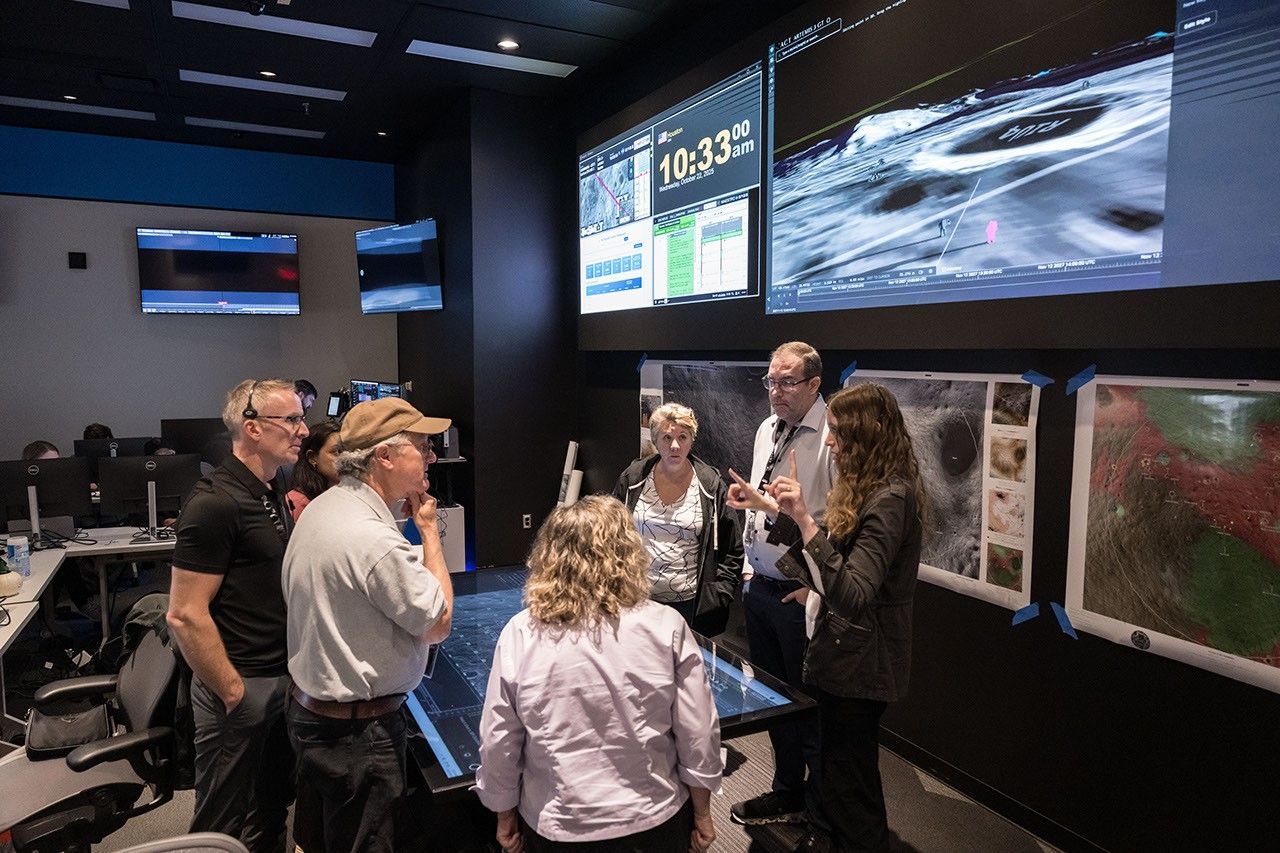
Michael Guzman, the main propulsion systems engineer for NASA’s Artemis II mission, took part in the wet‑dress rehearsal on 2 February 2026 at Kennedy Space Center’s Rocco A. Petrone Launch Control Center. The rehearsal, conducted in Firing Room 1, allowed the launch team to load propellant, run a full countdown, recycle the countdown clock and drain the tanks, confirming procedural timing ahead of the crewed flight. Guzman also appeared on the launch‑pad rollout on 20 March 2026 as the SLS rocket and Orion spacecraft moved from the Vehicle Assembly Building to Launch Complex 39B. His presence in the firing room placed him at the center of Artemis II’s test flight operations.
In his current role, Guzman oversees the main propulsion system inside the Space Launch System, the launch vehicle that will carry astronauts around the Moon. Earlier work on the propulsion team, which he joined in 2019, focused on hydrogen systems at Launch Pad 39B, including the large liquid‑hydrogen sphere and the associated propellant‑delivery piping. He now manages the integration of thrust, specific‑impulse calculations and liquid‑oxygen cooling with helium bubbles that are critical to the SLS core stage performance. Guzman’s responsibilities are supported by the “brain book,” a comprehensive binder of drawings, requirements, procedures and launch‑commit criteria used by engineers throughout the countdown. He operates within NASA’s Exploration Ground Systems organization, coordinating with hundreds of engineers in the firing room to monitor and adjust spacecraft systems in real time.
Artemis II will be the first crewed lunar mission in more than five decades, marking a pivotal step in NASA’s Artemis program to return humans to the Moon. The mission’s success depends on the coordinated effort of propulsion, launch‑pad and launch‑control personnel, exemplified by Guzman’s transition from a 2013 summer intern to a senior engineer on the SLS core‑stage propulsion team. The wet‑dress rehearsal and rollout events demonstrate the agency’s readiness to execute the complex sequence of propellant loading, countdown management and vehicle integration required for a crewed deep‑space flight.