La NASA anuncia la cobertura de la de la primera misión tripulada Artemis alrededor de la Luna
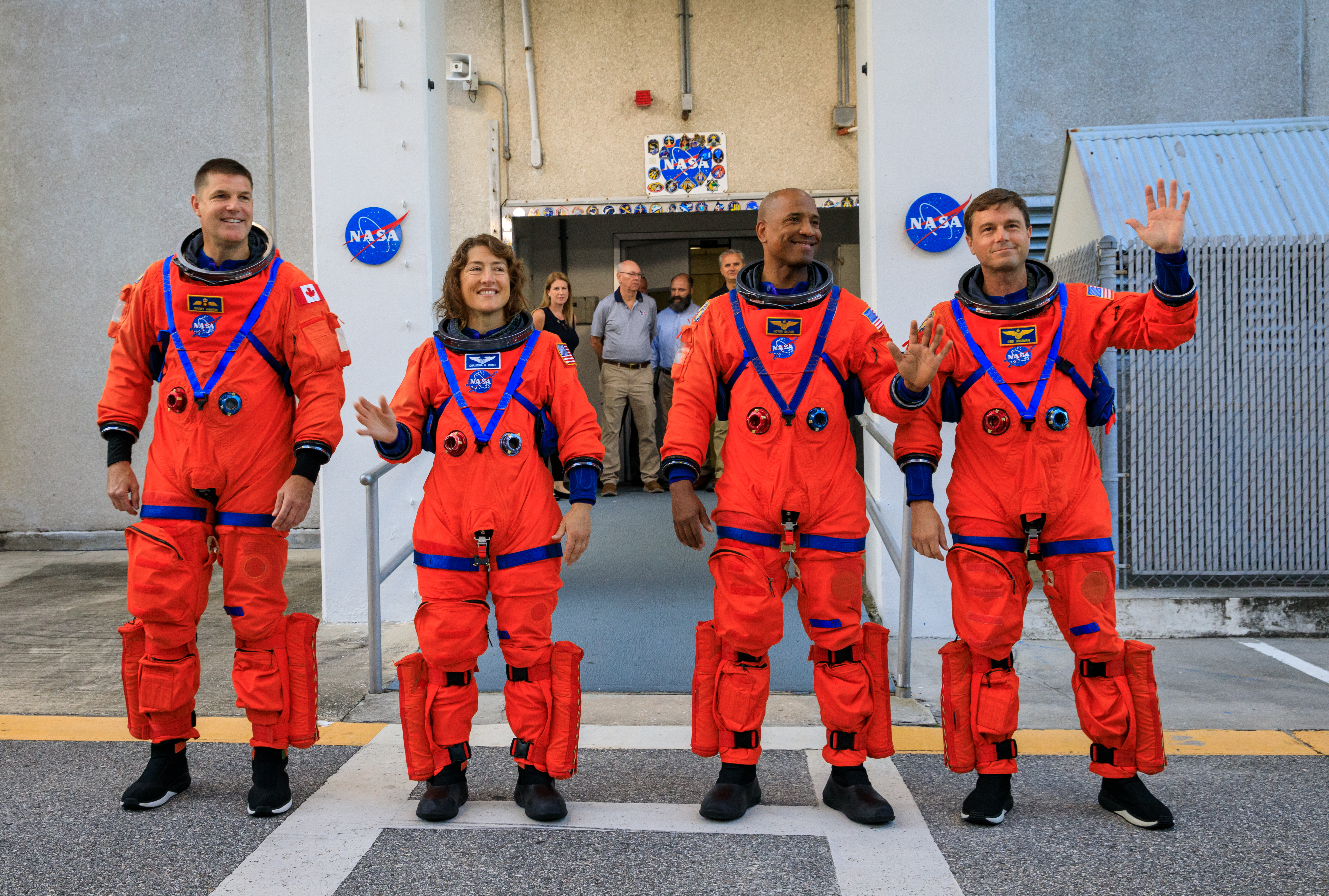
NASA announced on 26 March 2026 that it will provide continuous online coverage of Artemis II, the agency’s first crewed flight around the Moon. The four‑person crew—NASA astronauts Christina Koch, Victor Glover and Reid Wiseman together with Canadian Space Agency astronaut Jeremy Hansen—will launch from Kennedy Space Center’s Launch Pad 39B during a two‑hour window that opens at 6:24 p.m. EDT on 1 April 2026, with additional launch opportunities through 6 April. The agency’s media advisory details the schedule of live briefings, pre‑launch events and the mission‑long webcast that will be streamed on NASA’s YouTube channels and NASA+ platform.
Ground‑system integration testing began on 20 September 2023 when the crew moved from the Neil Armstrong Operations and Checkout Building to the Artemis crew transport vehicles and proceeded to Pad 39B for a rehearsal of launch‑day timelines. Artemis II will employ the Space Launch System (SLS) rocket to propel the Orion spacecraft on a roughly ten‑day lunar flyby, during which Orion’s life‑support systems will operate with humans aboard for the first time. The coverage plan includes a 7:45 a.m. live feed of SLS fuel loading, a 12:40 p.m. launch webcast, and a 4:45 p.m. Spanish‑language broadcast, followed by a post‑launch press conference after the upper stage ignition. Daily mission status updates will be posted from Johnson Space Center starting 2 April, with live crew interactions and, when bandwidth permits, onboard Orion video.
The Artemis II broadcast marks the inaugural public transmission of a crewed Artemis flight, establishing the communication framework for subsequent lunar missions that will expand scientific research, commercial activity and the groundwork for crewed Mars exploration. NASA’s virtual‑attendance program allows the public to register for a digital launch experience and receive a virtual guest badge, while accredited media can access audio feeds via telephone, VHF 146.940 MHz and UHF 444.925 MHz frequencies. All event times and streaming links are maintained on the Artemis web portal, ensuring that stakeholders can follow the mission from pre‑launch preparations through the lunar flyby.