La NASA anuncia la cobertura de la misión lunar Artemis II
NASA announced it will provide extensive live coverage of the Artemis II lunar mission, the agency’s first crewed flight around the Moon in more than 50 years, with launch targeted no earlier than April 1, 2026 from Launch Complex 39B at Kennedy Space Center in Florida. The agency outlined a series of prelaunch briefings, launch day broadcasts, and mission coverage events that will stream across NASA+ and NASA’s digital platforms, providing updates throughout countdown operations and the approximately 10 day lunar flyby mission. NASA stated the coverage will begin with prelaunch activities and continue through launch, translunar flight, lunar flyby operations, and return to Earth, offering continuous mission visibility to the public and media.
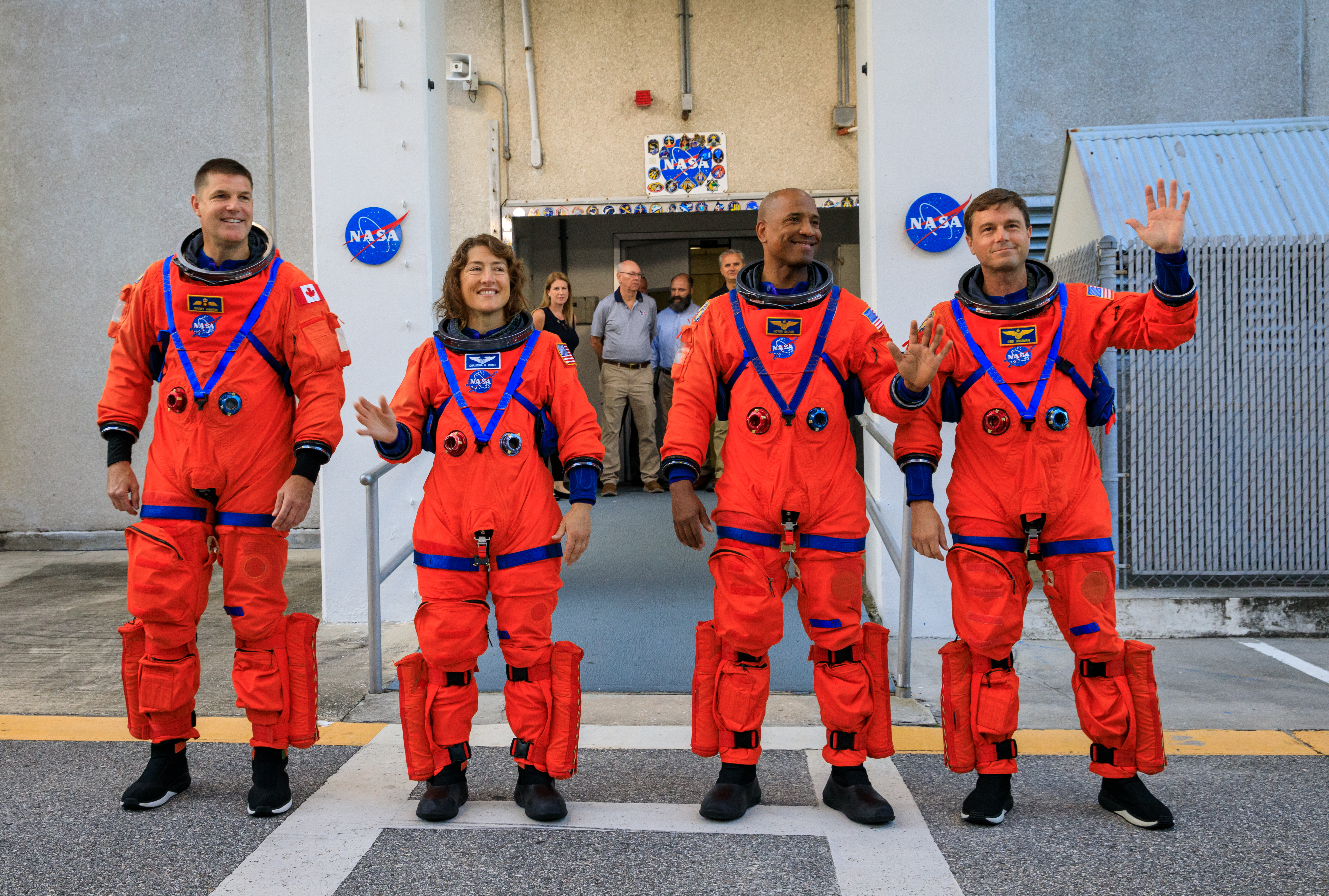
The Artemis II mission will launch four astronauts aboard the Space Launch System rocket and Orion spacecraft, marking the first crewed test of NASA’s deep space exploration architecture. The crew of Reid Wiseman, Victor Glover, Christina Koch, and Canadian Space Agency astronaut Jeremy Hansen will conduct system checkouts in Earth orbit before performing a free return trajectory around the Moon. The mission is expected to last about 10 days, with astronauts traveling farther from Earth than any human mission since the Apollo era. NASA’s coverage plan includes live broadcasts of mission briefings, launch commentary, post launch conferences, and key mission milestones, along with multilingual streams and real time updates distributed through agency media channels.
Artemis II follows the uncrewed Artemis I mission and serves as a critical validation of spacecraft systems, ground infrastructure, and operational procedures ahead of future lunar landing missions. The flight represents the first crewed mission of NASA’s Artemis campaign, which aims to establish sustained lunar exploration and prepare for human missions to Mars. NASA’s expanded coverage reflects the significance of the mission and its role in advancing the agency’s long term human spaceflight strategy beyond low Earth orbit.