NASA-ISRO Satellite Captures Pacific Northwest Through Clouds
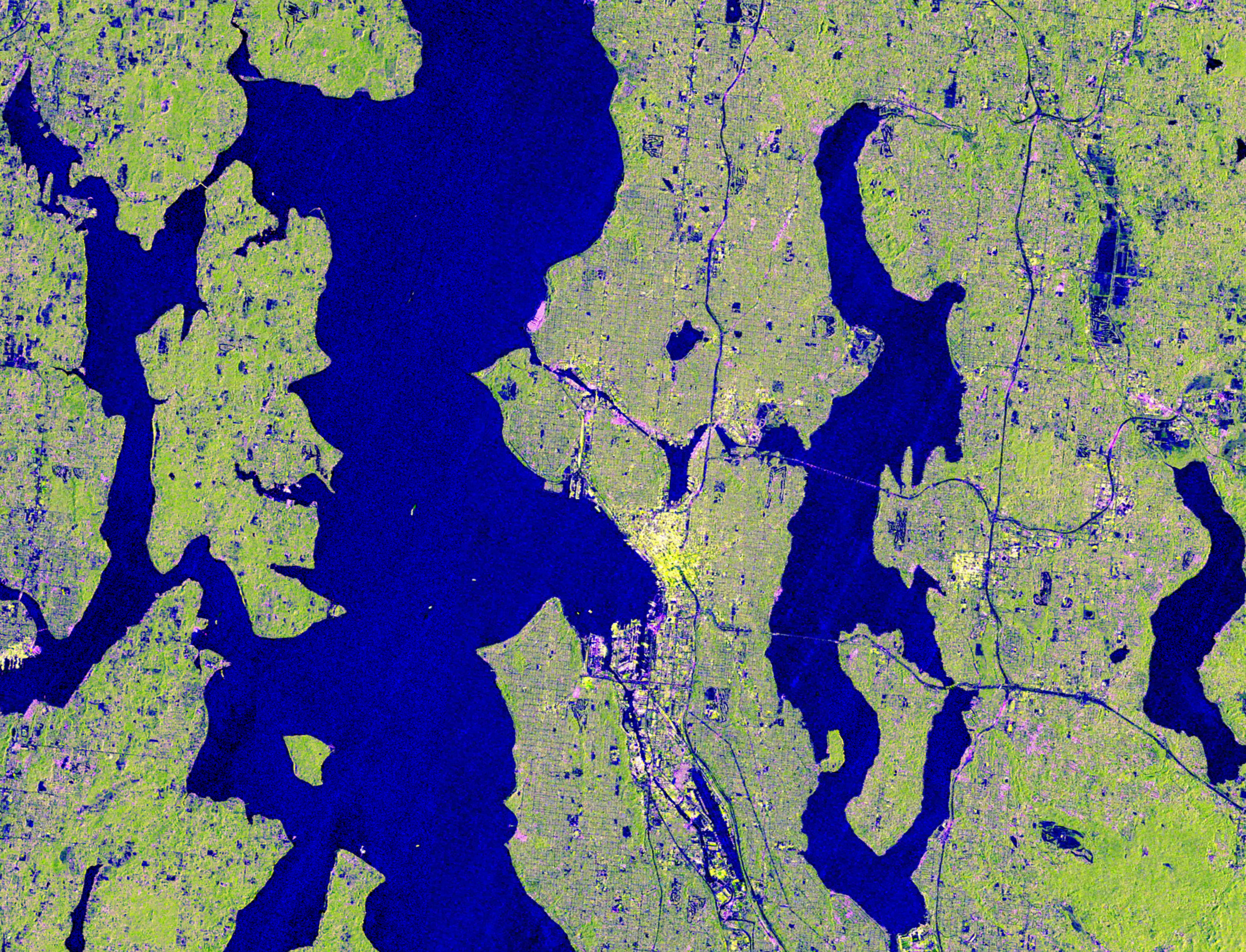
NASA and the Indian Space Research Organisation’s joint NISAR satellite captured a cloud‑penetrating radar image of the Pacific Northwest on 10 November 2025, placing Seattle at the center and showing Bainbridge Island, Portland, Oregon, and the Columbia River to the north. The image, processed by NASA’s Jet Propulsion Laboratory, demonstrates the mission’s ability to acquire high‑resolution surface data despite the region’s frequent cloud cover. The observation was reported on 25 March 2026, highlighting NISAR’s role in monitoring densely populated and industrially important areas of the United States.
The NISAR spacecraft carries an L‑band synthetic‑aperture radar (SAR) with a 12‑metre (39‑foot) reflector that transmits 24‑centimetre microwaves capable of passing through clouds and returning detailed backscatter signals. Complementary S‑band SAR operates at a 10‑centimetre wavelength, making NISAR the first satellite to host dual‑frequency SAR instruments. Launched in July 2025 from India’s Satish Dhawan Space Centre, the mission is managed by Caltech’s JPL, which supplied the L‑band hardware, while ISRO provided the spacecraft bus, S‑band radar, launch vehicle, and launch services. The satellite revisits each land or ice surface twice every 12 days, generating time‑series data that reveal changes in vegetation moisture, terrain geometry, and surface motion such as fault slip, glacier flow, or landslide activity.
By delivering consistent, all‑weather observations, NISAR supports resource‑management and natural‑hazard monitoring for the Pacific Northwest’s technology, aerospace, agriculture, and forestry sectors. The radar imagery distinguishes built environments, water bodies, and forested wetlands through variations in polarization and backscatter intensity, enabling quantification of forest carbon stocks, flood‑risk assessment, and detection of anthropogenic land‑cover changes. The mission’s dual‑frequency capability and frequent revisit schedule provide a comprehensive baseline for long‑term environmental decision‑making and illustrate the expanding role of international satellite collaborations in Earth‑science data acquisition.