NASA Sets Coverage for Artemis II Moon Mission
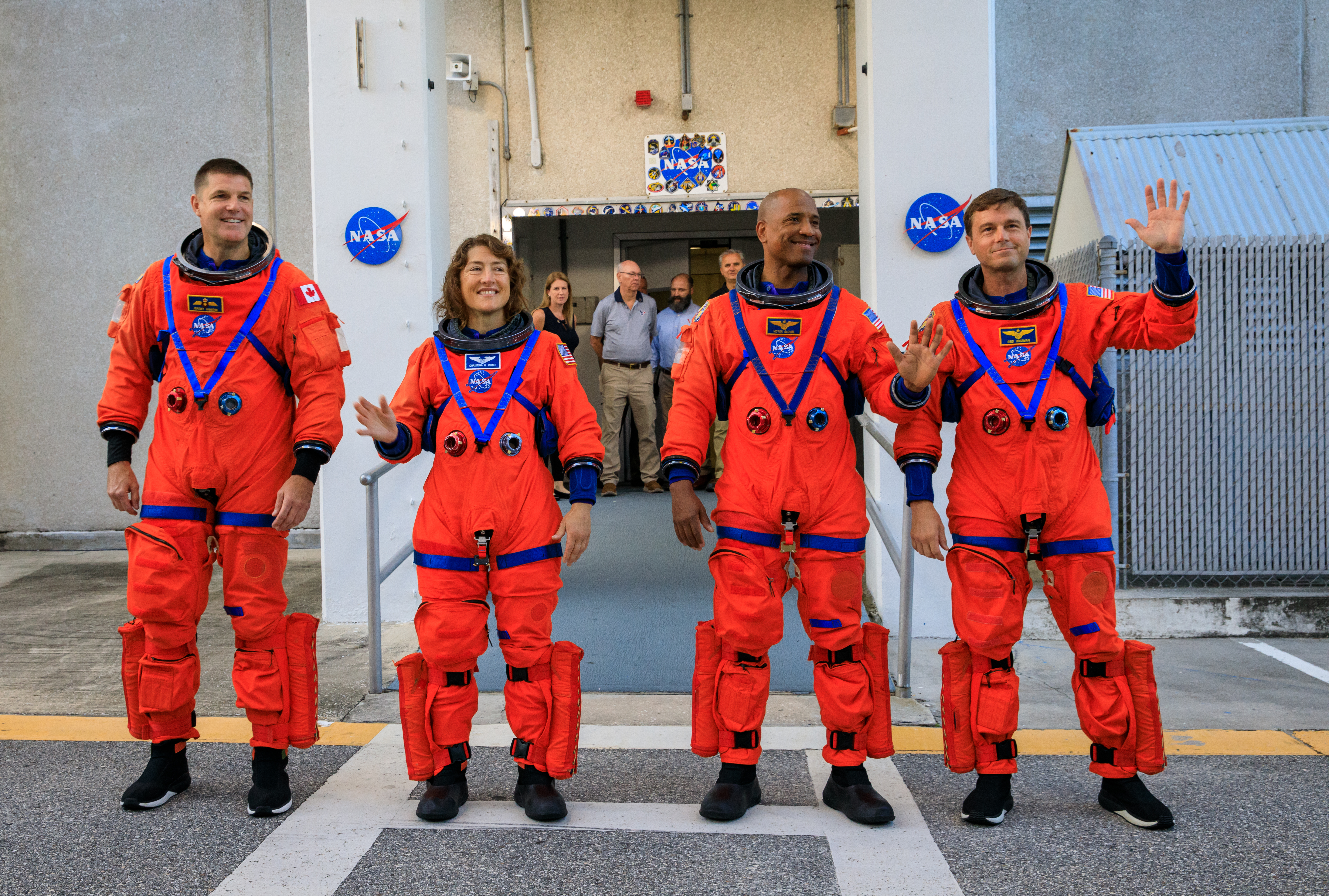
NASA announced that live coverage of Artemis II, the agency’s first crewed flight of the Artemis program, will begin with a launch no earlier than 6:24 p.m. EDT on Wednesday, April 1, 2026, from Launch Pad 39B at Kennedy Space Center, Florida. The four‑person crew—NASA astronauts Reid Wiseman, Victor Glover, Christina Koch and Canadian Space Agency astronaut Jeremy Hansen—will embark on an approximately ten‑day lunar flyby that includes a return splashdown in the Pacific Ocean.
The mission will ride NASA’s Space Launch System (SLS) rocket, carrying the Orion spacecraft whose life‑support systems will be exercised with humans aboard for the first time. A two‑hour launch window opens on April 1, with additional launch opportunities extending through Monday, April 6, should the initial attempt be delayed. Tanking operations and propellant loading for the SLS will be streamed at 7:45 a.m. on launch day, followed by a NASA+ feed of liftoff at 12:50 p.m. and continuous YouTube coverage after Orion’s solar arrays deploy. Post‑launch, a news conference will feature Administrator Jared Isaacman and senior officials including Amit Kshatriya and Lori Glaze. Daily mission status briefings will be held from Johnson Space Center, while a series of live downlink events—some hosted by the CSA—will provide real‑time crew updates. The flight is expected to exceed Apollo 13’s record distance of 248,655 miles from Earth, experience a brief communications blackout behind the Moon’s far side, and conclude with a splashdown at 8:06 p.m. on Friday, April 10, followed by a post‑splashdown briefing at Johnson.
Artemis II serves as a critical test of Orion’s crew habitat and SLS performance, establishing operational data for subsequent Artemis missions that will aim for sustained lunar surface presence. The scheduled audio‑only conversation between the Artemis crew and International Space Station astronauts on April 7 highlights continued integration of low‑Earth‑orbit and deep‑space activities. By delivering comprehensive media streams on NASA+, Amazon Prime, and YouTube, the agency ensures transparent public access to a mission that paves the way for future crewed exploration beyond low Earth orbit.