NASA Sets Coverage for First Artemis Crewed Mission Around Moon
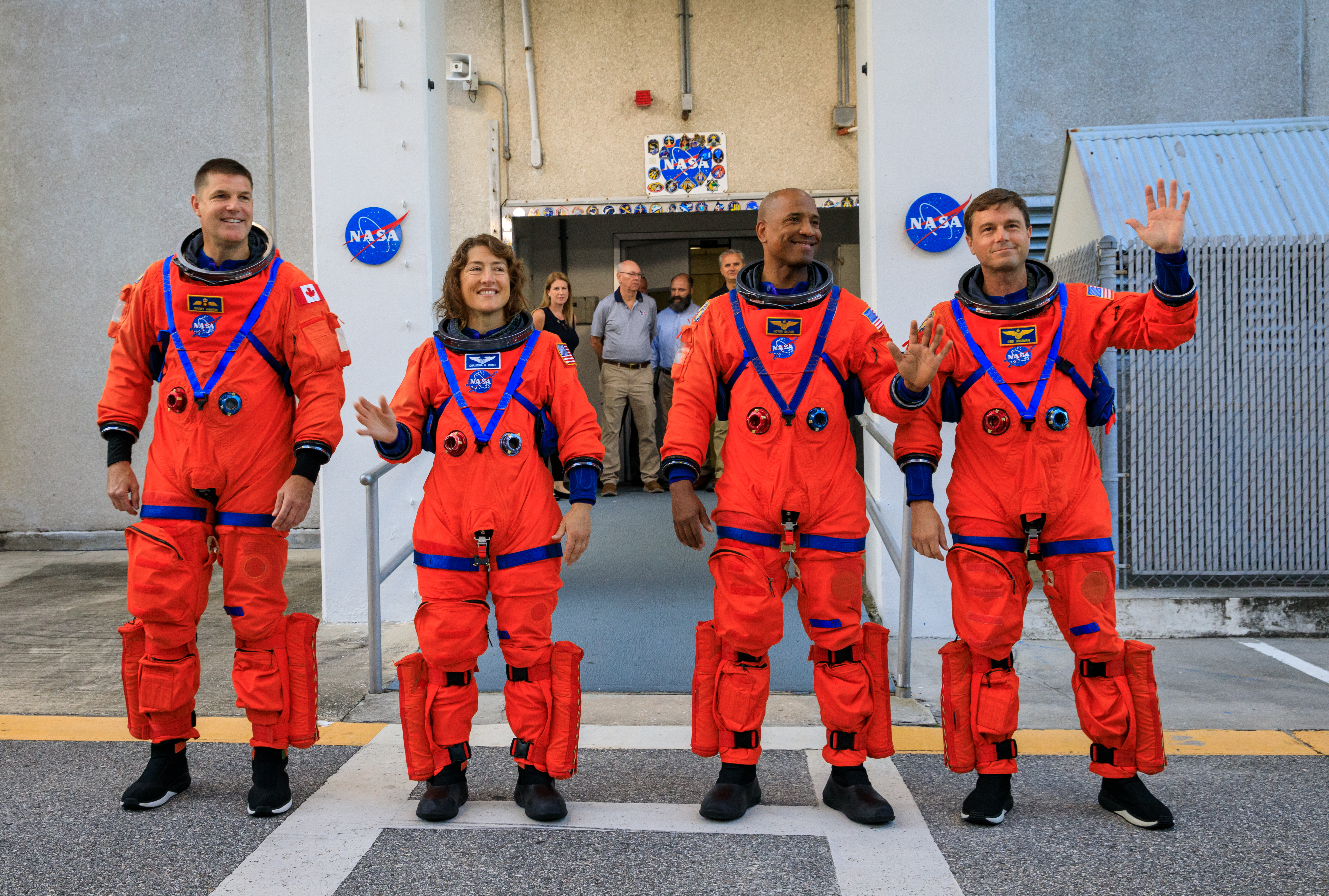
NASA announced the streaming schedule for Artemis II, the agency’s first crewed flight around the Moon. The mission will launch from Kennedy Space Center in Florida during a two‑hour window that opens at 6:24 p.m. EDT on Wednesday, April 1, 2026, with additional launch opportunities extending through Monday, April 6. The four‑person crew—NASA astronauts Reid Wiseman, Victor Glover, Christina Koch and Canadian Space Agency astronaut Jeremy Hansen—will embark on an approximately ten‑day lunar flyby. All pre‑launch, launch and in‑flight events will be streamed live on NASA’s YouTube channel and on the NASA+ platform. Media and public participants must RSVP for briefings according to the deadlines listed in the agency’s outreach notice.
The launch will employ the Space Launch System rocket paired with the Orion spacecraft, marking the first test of Orion’s life‑support systems with a full crew aboard. Tanking operations to fill the SLS with propellant will be covered beginning at 7:45 a.m. EDT on April 1, followed by a live launch feed at 12:50 p.m. EDT. After liftoff, Orion’s solar‑array wings will deploy and a post‑launch press conference will occur roughly two and a half hours later when the SLS upper stage conducts a burn to place the vehicle into high‑Earth orbit. Daily mission status briefings will originate from Johnson Space Center starting Thursday, April 2, except on April 6 due to lunar‑flyby activities. Separate live streams from Orion will be provided as bandwidth permits, and audio‑only coverage will be accessible via a dedicated telephone line and local VHF/UHF frequencies on the Space Coast. The agency also offers a virtual guest program that supplies curated launch resources and a digital passport stamp after the event.
Artemis II serves as a critical milestone for NASA’s broader Artemis initiative, which aims to expand lunar exploration, generate scientific and economic returns, and lay the groundwork for future crewed missions to Mars. The mission’s public‑facing media plan reflects NASA’s effort to engage worldwide audiences while maintaining real‑time transparency throughout the flight. Coordination between NASA Headquarters, the Kennedy and Johnson Space Centers, and the Canadian Space Agency underscores the collaborative framework guiding the program’s next steps.