What’s Up: April 2026 Skywatching Tips from NASA
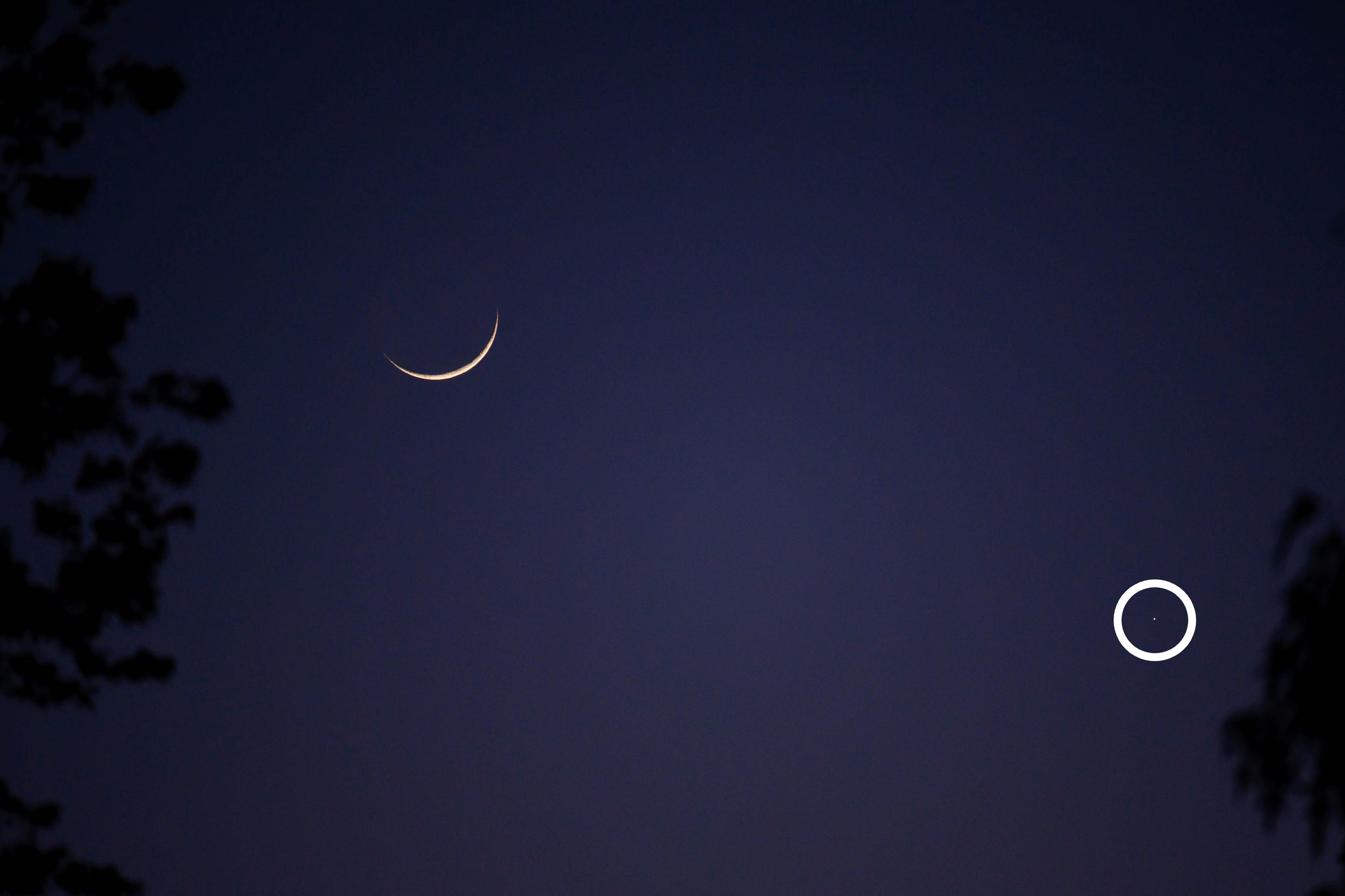
NASA’s Jet Propulsion Laboratory released an April 2026 skywatching briefing on March 26, outlining key celestial events for observers worldwide. The guide highlights Mercury’s peak visibility on April 3, the Lyrid meteor shower’s maximum activity on April 21‑22, and the appearance of comet C/2025 R3 with its closest Earth approach scheduled for April 27. Presented by Chelsea Gohd, the briefing provides specific dates, viewing directions and timing for each phenomenon, targeting amateur astronomers and the general public alike.
On April 3 Mercury reaches its greatest elongation, positioning the planet at its most observable point of the year just above the horizon in the east before sunrise and low enough to be seen alongside Mars. The Lyrids, generated by debris from comet Thatcher, peak from the evening of April 21 into the early hours of April 22, with meteors radiating from the vicinity of Vega, the fifth‑brightest star in Lyra. Comet C/2025 R3 offers its best viewing window on April 17 and will pass within 44 million miles of Earth on April 27, attaining an estimated magnitude of eight; observers will need telescopes or binoculars to detect it in the eastern sky near Pegasus and above Pisces, with predawn visibility in the Northern Hemisphere through late April and evening visibility in early May for Southern Hemisphere locations.
The briefing forms part of NASA’s ongoing public‑outreach strategy, directing skywatchers to the agency’s science portal for updates on current missions and future explorations. By synchronizing observational tips with the agency’s broader educational resources, NASA reinforces its role in fostering public interest in astronomy while providing accurate, date‑specific guidance for optimal skywatching experiences.