ESA to Purchase SpaceX Crew Dragon Mission to ISS
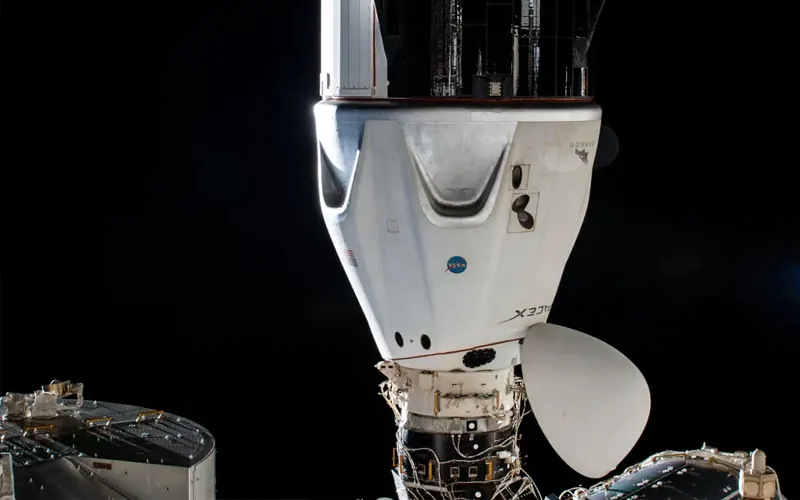
The European Space Agency (ESA) has approved plans to charter a dedicated SpaceX Crew Dragon mission to the International Space Station (ISS), marking a new institutional crewed mission concept announced by ESA Director General Josef Aschbacher on March 19, 2026 at the 345th ESA Council meeting. The initiative, named ESA Provided Institutional Crew (EPIC), responds to the need for additional flight opportunities for ESA’s astronaut corps before the planned retirement of the ISS around 2030, offering a longer, agency‑led mission beyond existing commercial crew arrangements.
Under the EPIC mission structure, ESA would purchase a dedicated Crew Dragon flight that carries a crew of four to the orbiting laboratory, with a planned duration of about one month, longer than recent private missions arranged through providers like Axiom Space. The mission will be carried out in cooperation with NASA and potentially other international partners, with responsibilities for ESA astronauts extending beyond research tasks to include station maintenance, logistics and cargo support while aboard the ISS. Aschbacher and ESA officials have emphasized that EPIC aims to increase European participation in station operations during a period of limited allocation under traditional barter agreements with NASA.
The decision to pursue a dedicated Crew Dragon mission reflects broader strategic goals within ESA to sustain European human spaceflight experience and operational capability as commercial crew transport services become increasingly central to access low Earth orbit. The EPIC mission, targeted for no earlier than early 2028, differs from shorter private astronaut flights by its institutional purpose and extended stay on station, allowing ESA to leverage SpaceX’s established Crew Dragon platform to advance its astronaut programme. By securing its own launch commitment and mission control role, ESA underscores its commitment to maintaining a presence aboard the ISS and preparing its astronaut corps for future cooperative deep‑space endeavours.