I Am Artemis: Erik Richards
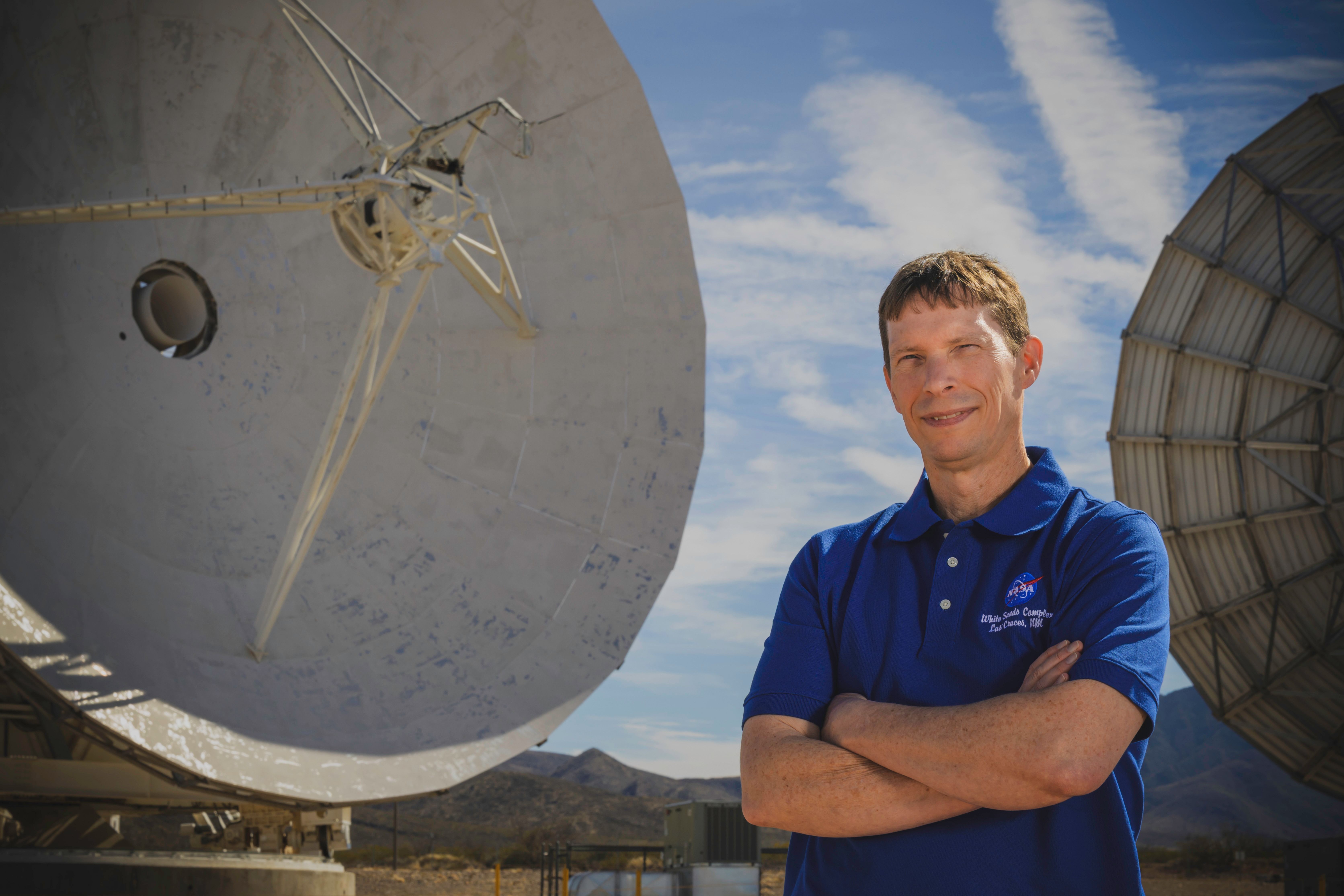
Erik Richards, mission manager for NASA’s Near Space Network, is overseeing communications for the agency’s first crewed Artemis II flight to the Moon and back. Based at the White Sands Test Facility in New Mexico, Richards coordinates the network that will keep the Orion spacecraft linked to mission control throughout launch, orbit, re‑entry and splashdown. The interview was published on 27 March 2026 as NASA finalizes preparations for the Artemis II launch window.
The Near Space Network comprises an interconnected web of relay satellites and more than 40 government and commercial ground stations spanning from Bermuda to South Africa. At White Sands, the largest antennas measure 18 meters (59 feet) in diameter and serve as key nodes for voice, data and navigation links. Working in concert with NASA’s Deep Space Network, the system will provide real‑time communications and situational awareness for Orion’s four‑person crew during the roughly 10‑day mission. In the months preceding launch, Richards directed extensive testing, requirements development and readiness operations, and will occupy a console to monitor data flow and coordinate support across NASA and partner sites worldwide. The network’s role covers every flight segment, from liftoff through early orbit to the final splashdown, ensuring continuous contact between astronauts and ground teams.
Richards’ career, which includes assignments at McMurdo Station in Antarctica and Goddard Space Flight Center in Maryland, reflects NASA’s broader transition from the Space Shuttle era to sustained lunar exploration. The communications architecture being validated for Artemis II will be carried forward to Artemis III and subsequent missions aimed at establishing a permanent human presence on the Moon. “The most exciting part about the Artemis campaign is being part of something greater,” Richards said, underscoring the essential contribution of ground‑based networks to the future of crewed spaceflight.