Spain Approves €325 Million ESCA+ Expansion of Atlantic Constellation

Spain’s Council of Ministers approved a €325 million investment on 31 March to fund three additional Earth‑observation satellites that will extend the Atlantic Constellation, a joint Spanish‑Portuguese program for environmental monitoring, coastal surveillance and disaster management. Prime Minister Pedro Sánchez announced the allocation during the Sixth elDiario.es Economic Forum, confirming that the new satellites will be developed through the European Space Agency (ESA) under the expanded ESCA+ (Atlantic Constellation Plus) programme. The decision follows a September‑last‑year statement that Spain intended to increase its contribution beyond the eight satellites already pledged by each nation in the core 16‑satellite constellation.
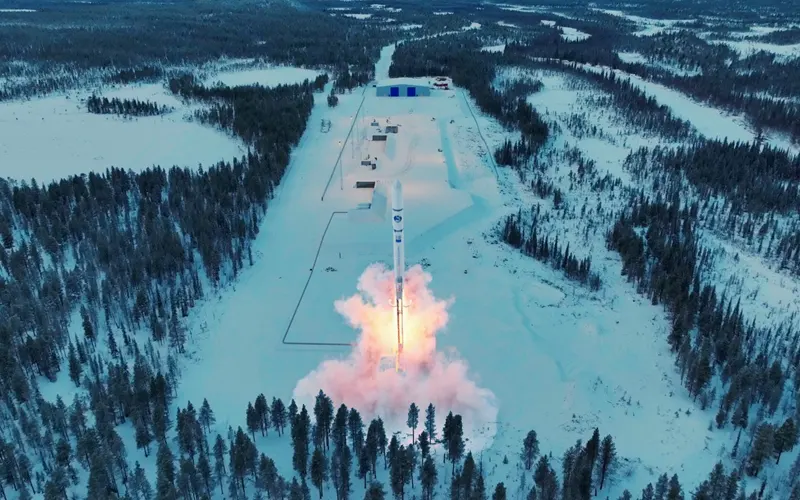
The €325 million budget will be channeled to ESA, which is already supporting Spain’s existing share of the constellation, and will finance the design, construction and launch of the three new platforms that will deliver real‑time data to improve response capacity for extreme climate events. The expansion brings the total Spanish commitment to the Atlantic Constellation to eleven satellites, while the overall programme remains a 16‑satellite system split evenly between Spain and Portugal. The funding forms part of a broader €625 million package aimed at strengthening Spain’s role in ESA’s strategic programmes and contributes to the €1.854 billion Spain pledged to ESA at the agency’s Ministerial Council meeting in November 2025. The remaining €300 million of the package is earmarked for ESA’s LEO‑PNT satellite navigation system, the IRIS² communications initiative on behalf of the European Union, and the European Launcher Challenge, which will back PLD Space’s development of its Miura rockets.
The ESCA+ expansion reinforces Spain’s position within Europe’s space architecture by augmenting a constellation that supports climate‑related data services across the Iberian Atlantic region. Integrating the three additional satellites enhances the constellation’s coverage and resilience, directly supporting disaster‑response capabilities and coastal management. Simultaneously, the parallel investment in navigation, communications and launch‑vehicle programmes reflects a coordinated effort to advance Europe’s autonomous space infrastructure and maintain competitive capabilities in the global satellite market.