3 Ways Students Can Get Involved With Artemis
NASA outlined three primary pathways for students to participate in its Artemis lunar exploration program, highlighting internships, engineering challenges, and interactive learning initiatives designed to support the agency’s long-term Moon and Mars objectives. The opportunities, published March 24, 2026, are part of NASA’s broader workforce development strategy aimed at preparing the next generation of aerospace professionals as the Artemis program advances toward sustained lunar operations. The agency emphasized that students can contribute directly to technologies supporting human exploration, including lunar surface systems, spacecraft operations, and mission infrastructure.
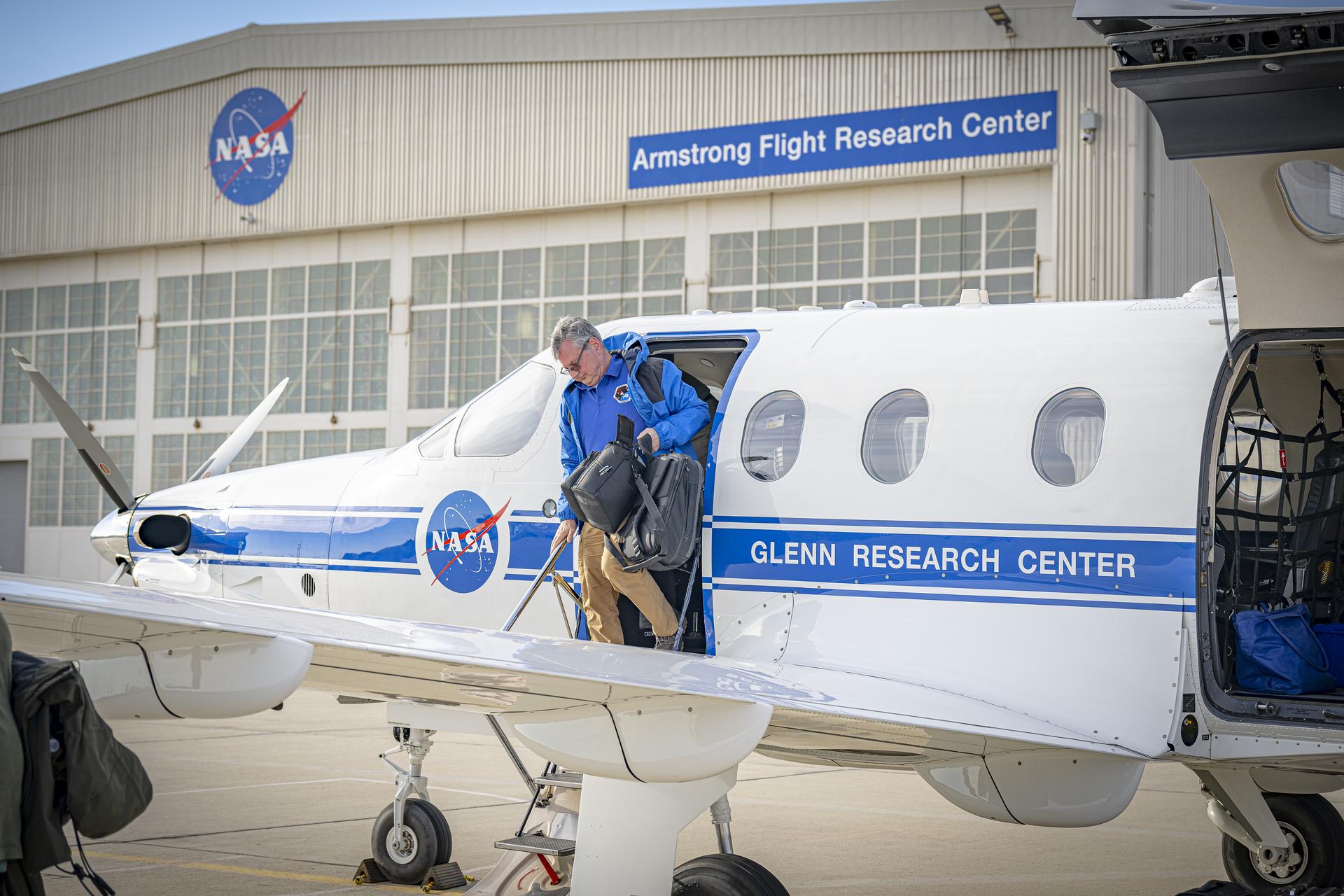
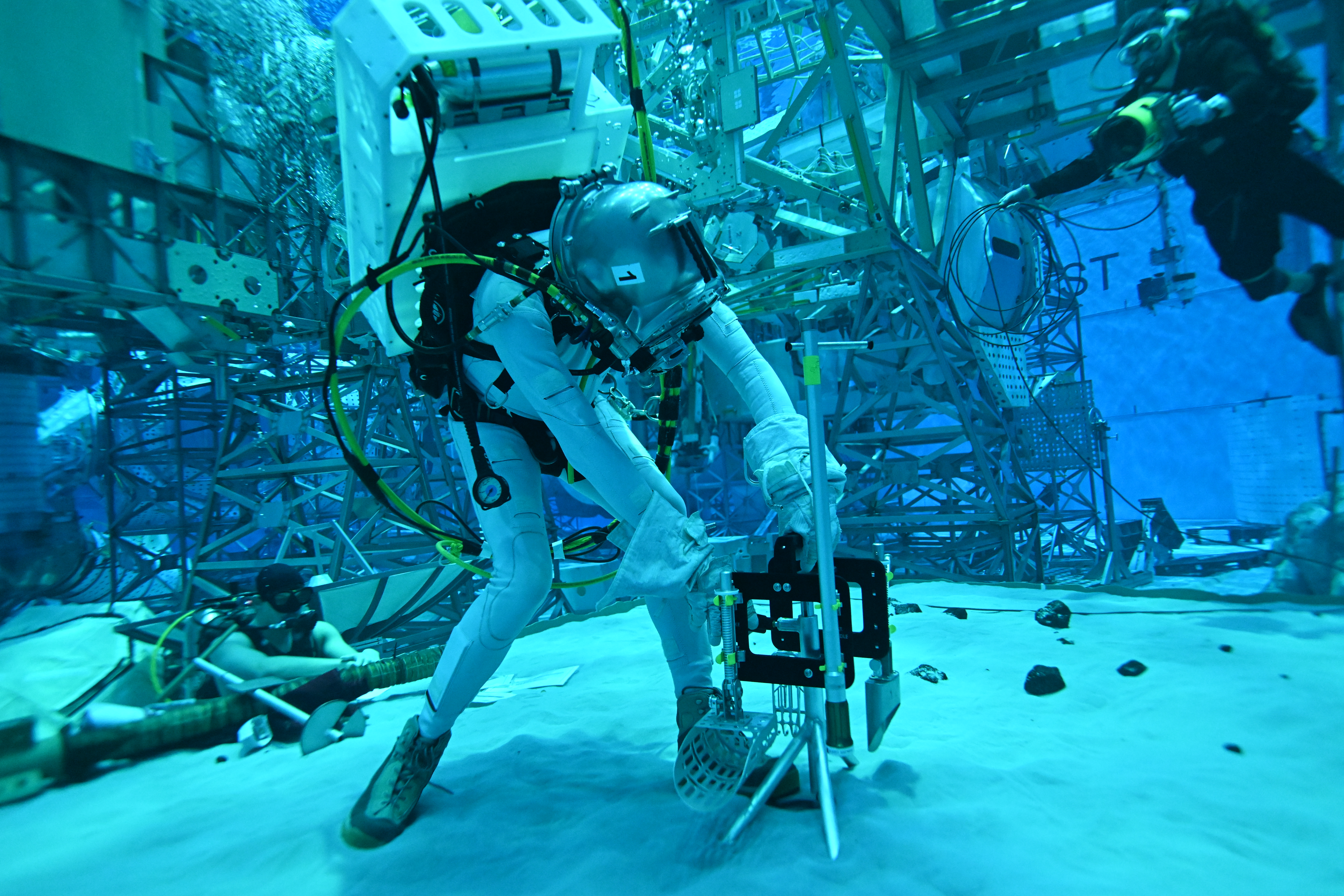
NASA internships represent the first major pathway, allowing U.S. college students to work on projects tied to Artemis missions and deep-space exploration technologies. Participants gain hands-on experience supporting spacecraft systems, propulsion development, and mission operations while collaborating with engineers and researchers across NASA centers such as Johnson Space Center in Houston. Alongside internships, NASA also highlighted several student design challenges focused on Artemis technologies, including the Human Exploration Rover Challenge, Micro-g Neutral Buoyancy Experiment Design Teams, NASA Spacesuit User Interface Technologies for Students (NASA SUITS), and NASA Student Launch. These programs involve designing rovers, spacesuit interfaces, rocket payloads, and spaceflight tools, with testing environments ranging from simulated microgravity to lunar-like terrain.
NASA also emphasized digital engagement through its collaboration with Minecraft Education, where students can design lunar missions, construct Moon bases, and simulate Artemis operations in a virtual environment. The initiative includes the upcoming Mission Control: Artemis challenge, allowing participants to guide lunar surface operations and develop future mission concepts using block-based coding tools. These initiatives collectively support NASA’s Artemis objectives, which aim to establish a sustained human presence near the lunar south pole while developing technologies for future missions to Mars and deeper space destinations.