American Bald Eagle at NASA’s Kennedy Space Center
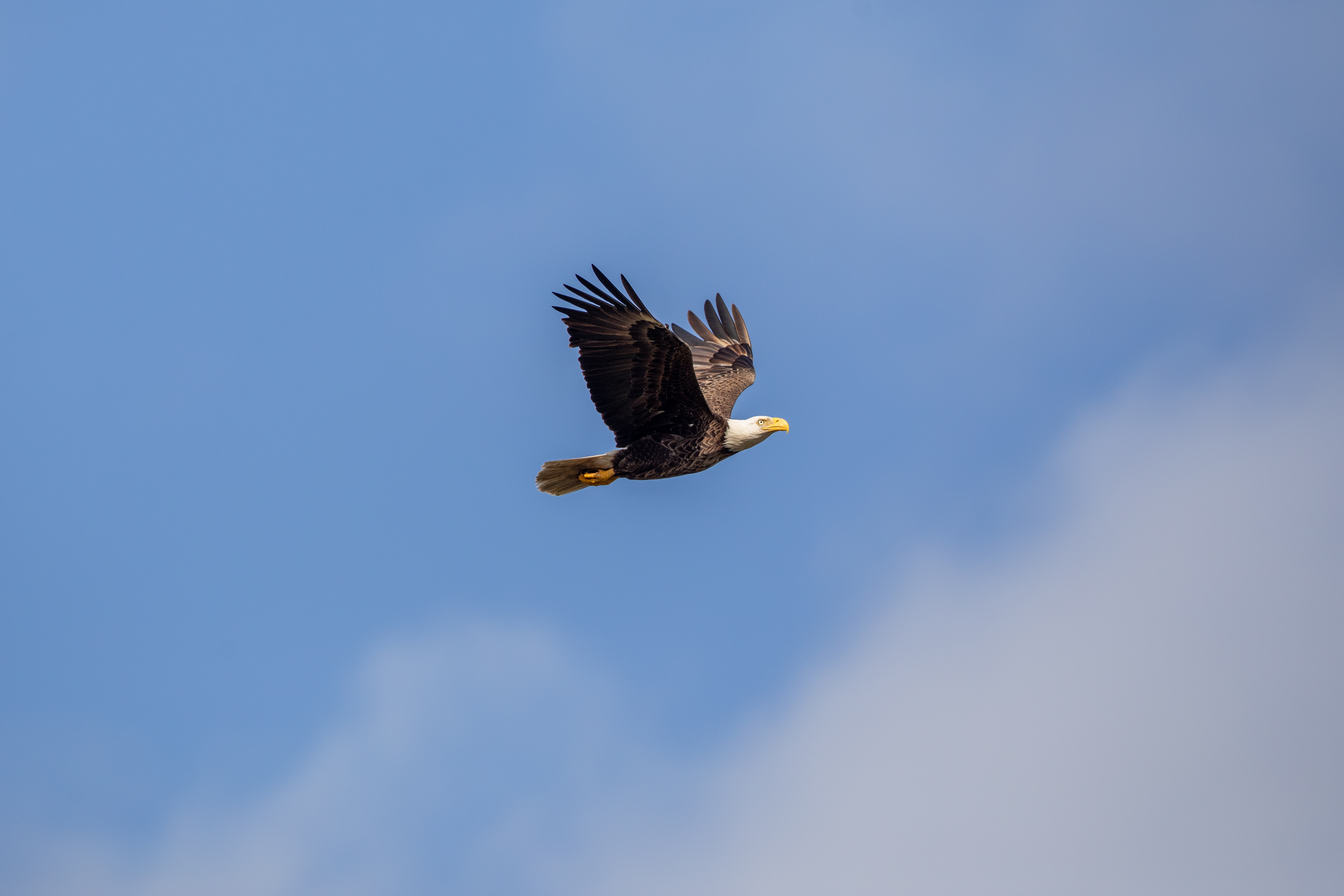
NASA released an image article on March 26, 2026 highlighting the presence of an American bald eagle near the Kennedy Space Center in Florida, capturing a close‑range photograph of the bird perched along a roadway within the agency’s protected wildlife management area. The image underscores the coexistence of native wildlife with NASA’s spaceflight infrastructure at a major launch site, where natural habitats are conserved alongside test stands, launch pads, and support facilities. The bald eagle’s presence reflects ongoing environmental stewardship efforts at the center, which manages several protected species and ecosystems within its boundaries.
The photograph shows the bald eagle standing on the pavement with clear detail of its distinctive white head and dark body plumage, illustrating the bird’s status as a symbol of U.S. wildlife in proximity to aerospace operations. Kennedy Space Center spans more than 140,000 acres of coastal and wetland habitats that are managed under federal conservation guidelines to support biodiversity and maintain nesting areas for protected species. NASA has incorporated ecological management plans into its land use practices to balance space launch activities with habitat preservation, enabling species such as the bald eagle to thrive in the area.
Environmental conservation efforts at NASA facilities like Kennedy have included habitat restoration, water quality monitoring, and coordination with federal wildlife agencies to safeguard endangered and threatened species. The bald eagle, removed from the U.S. endangered species list in 2007 but still protected under the Bald and Golden Eagle Protection Act, serves as an indicator of ecological health in coastal ecosystems adjacent to high‑value aerospace infrastructure. NASA’s dual mission of exploration and environmental management demonstrates how wildlife protection and launch operations can be integrated at major federal space centers.