Hangar One Restoration Project
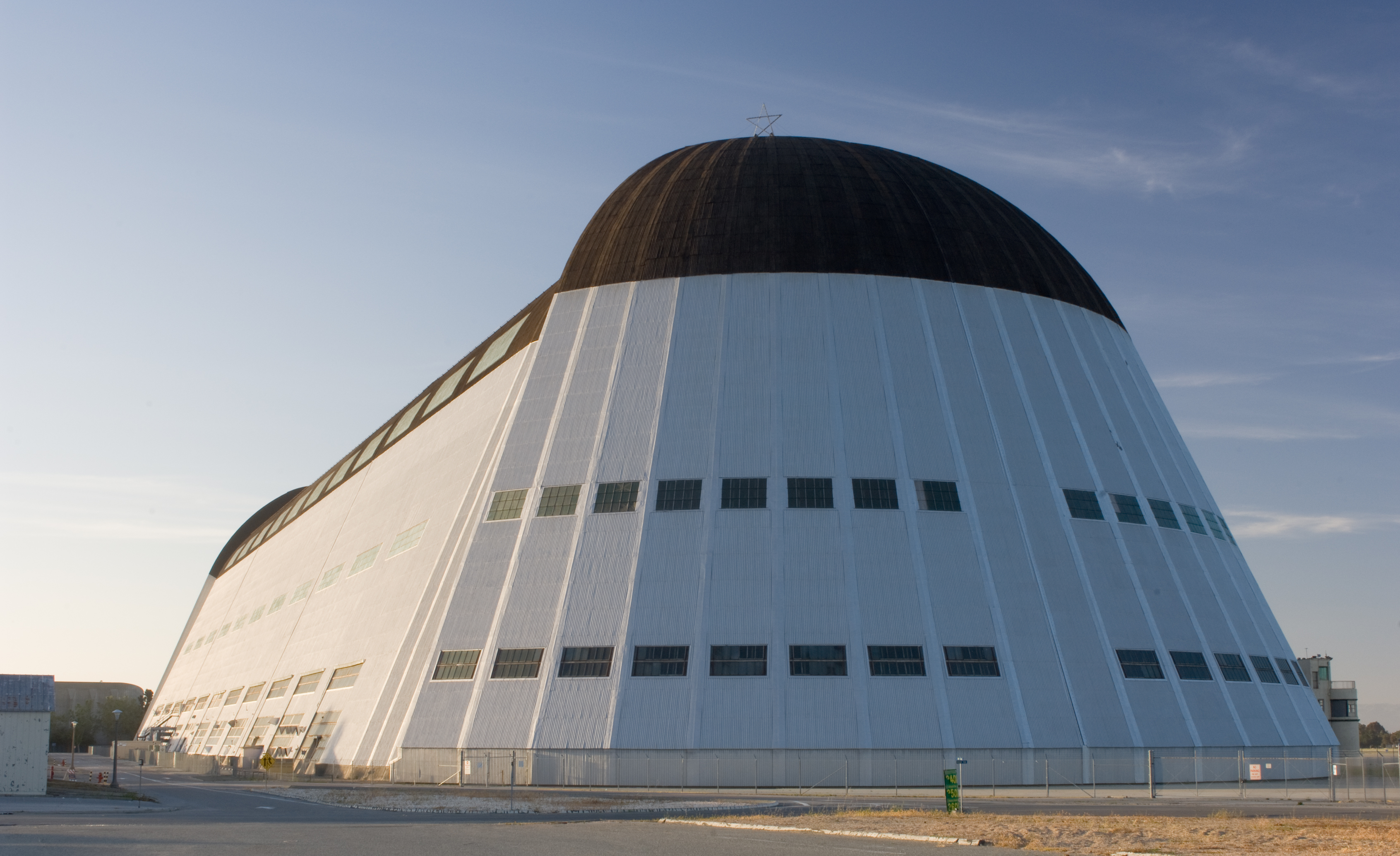
NASA and its partner Planetary Ventures LLC announced completion of the long‑running Hangar One Restoration Project at Moffett Federal Airfield, part of NASA’s Ames Research Center in Mountain View, California, marking the conclusion of a multi‑year effort to rehabilitate one of the San Francisco Bay Area’s most iconic aviation landmarks. The restoration was finished in December 2025 and the updated project details were published on March 20, 2026 by NASA, which revised its original 2022 account to reflect this milestone. Hangar One, built in 1933 and originally used to house the Navy’s USS Macon airship, now stands fully restored with its historic exterior and structural integrity preserved according to U.S. historic rehabilitation standards.
The restoration work included remediation and clean‑up of toxic contaminants stemming from earlier use of polychlorinated biphenyls, lead paint and asbestos, removal of contaminated materials, and careful disposal off‑site by section under scaffolding and containment. Once the hazardous materials were cleared, Planetary Ventures reclad the hangar’s siding and roof, primed and repainted the steel frame and implemented structural, mechanical, electrical and plumbing upgrades to extend the life of the 90‑year‑old structure. The project maintained the hangar’s original visual characteristics while modernizing it for future use, and followed environmental oversight by the Environmental Protection Agency and the California Regional Water Quality Control Board under a long‑term lease agreement established in 2014.
Hangar One is recognised as a contributing structure within the Shenandoah Plaza National Historic District and one of the world’s largest freestanding buildings, spanning around 1,133 feet long, 308 feet wide and nearly 200 feet tall. After decades of environmental remediation and historic preservation debate, its restoration not only preserves an engineering landmark but also opens potential for adaptive reuse aligned with NASA Ames Research Park’s evolving mission partnerships. The completion of this restoration underscores collaborative public‑private stewardship of aerospace heritage and sets a foundation for leveraging the hangar in support of future technology, research and community engagement initiatives under the existing long‑term operational framework.