How Open NASA Data on Comet 3I/ATLAS Will Power Tomorrow’s Discoveries
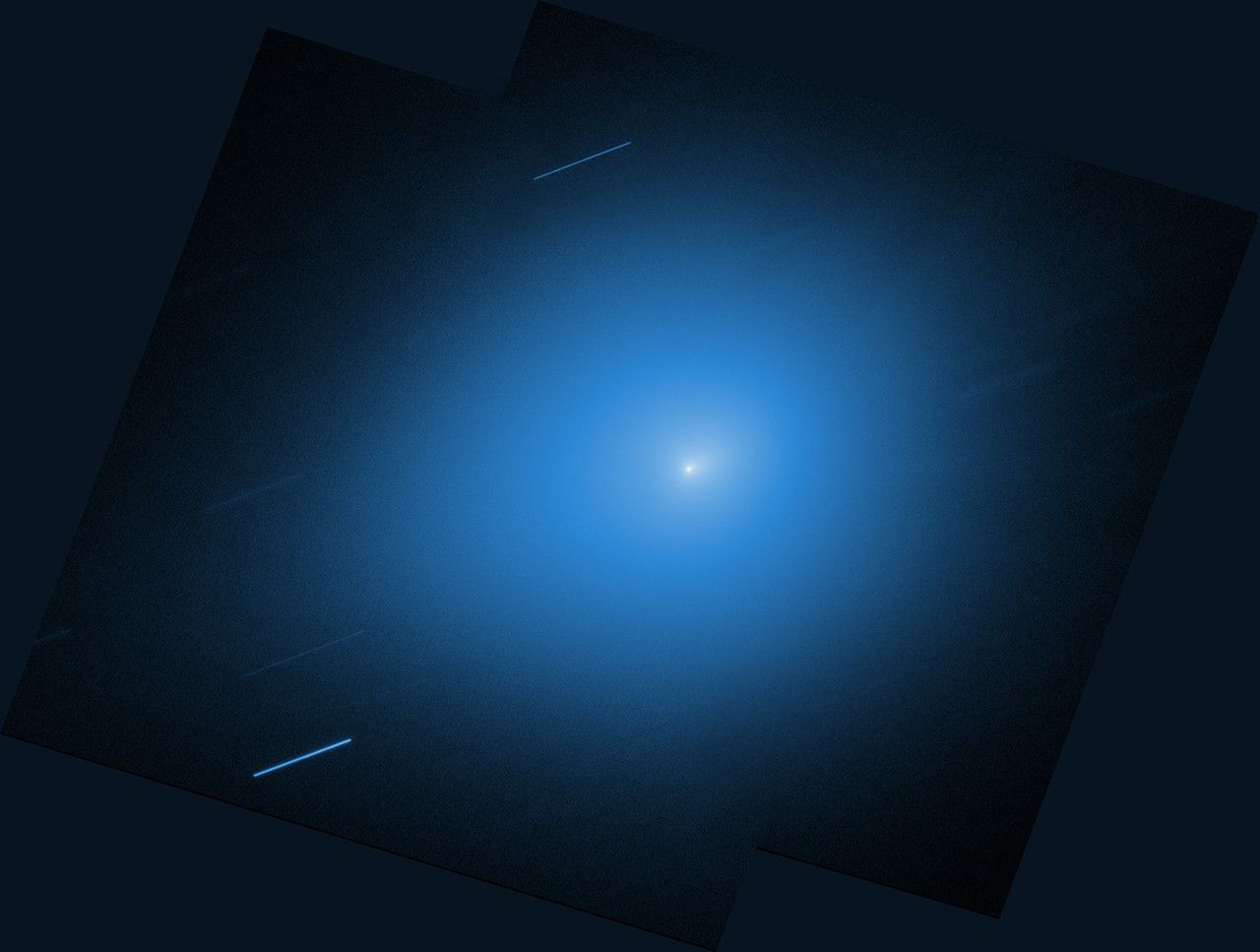
NASA has released a comprehensive open‑data set of observations for interstellar comet 3I/ATLAS, the third confirmed object from beyond our solar system, enabling researchers worldwide to access archival measurements and imagery collected by multiple space telescopes and spacecraft. The data release on March 20, 2026 makes available observations captured throughout the comet’s passage through the inner solar system, supporting ongoing analyses of its physical and chemical properties as it continues outbound on a hyperbolic trajectory.
Technical contributions to the archive include pre‑discovery imaging from TESS (Transiting Exoplanet Survey Satellite) that extends the object’s observational record back to May 2025, along with multi‑spectral and imaging data from NASA assets such as Hubble Space Telescope, James Webb Space Telescope, SPHEREx, and MAVEN that constrain volatile production rates and coma structure. The open science archives also incorporate observations from missions originally designed for other studies, including PUNCH, STEREO, and Mars orbiters, providing a rich dataset to compare 3I/ATLAS’s composition and activity against comets formed within the solar system. NASA’s Planetary Data System and other public repositories standardize this data to facilitate cross‑mission research into gas species such as water, carbon dioxide and carbon monoxide that emanate from the comet’s nucleus and surrounding envelope.
Because 3I/ATLAS follows a high‑velocity passage influenced by solar gravity, remaining observable through early 2026 and heading back into interstellar space, the archival data represents a finite scientific resource that will inform studies of cometary behaviour and formation conditions in distant planetary systems. The availability of this dataset underscores NASA’s commitment to open science principles that allow academic and professional researchers to conduct independent analyses, improve orbital models and explore chemical diversity among interstellar objects as only a handful have been observed, following predecessors such as 1I/‘Oumuamua and 2I/Borisov.