La NASA presenta iniciativas para cumplir con la política espacial nacional de Estados Unidos
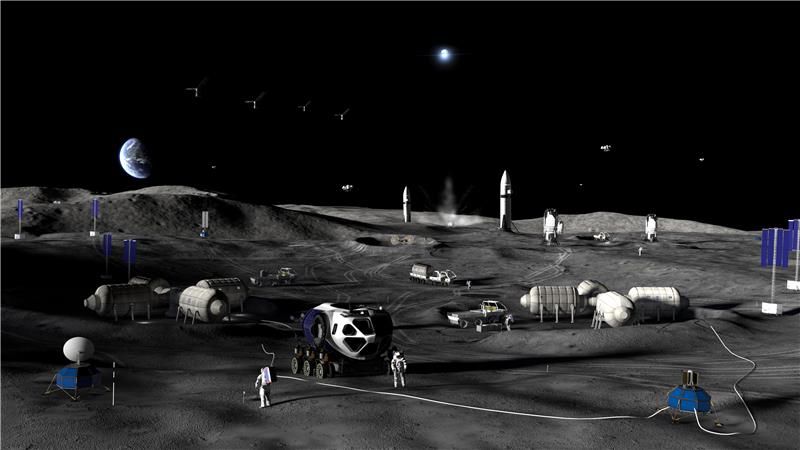
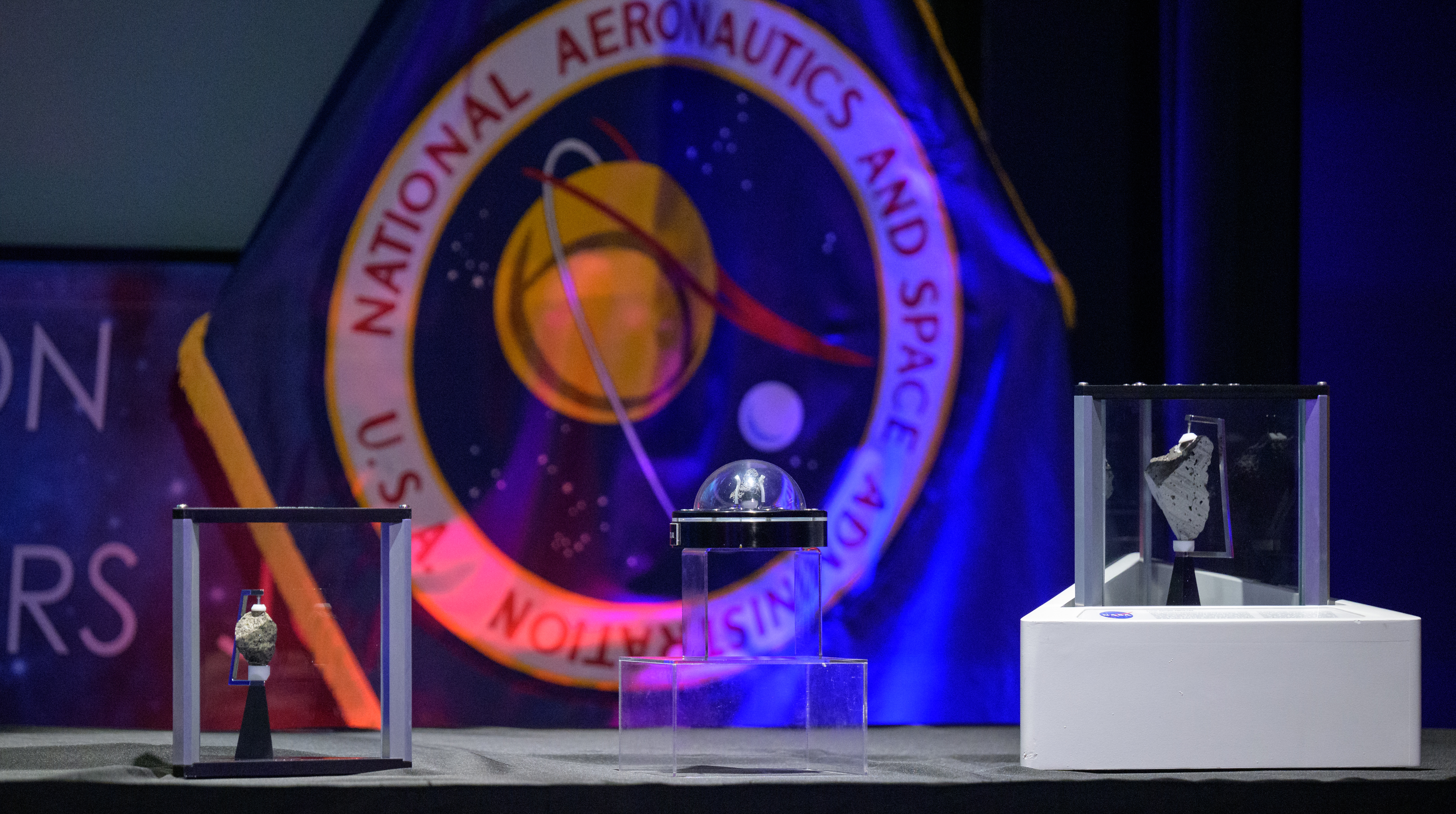
NASA has announced a suite of agencywide initiatives designed to implement the United States National Space Policy and accelerate work on major exploration and scientific goals during a public event at the Mary W. Jackson NASA Headquarters in Washington on March 24, 2026. Administrator Jared Isaacman outlined how the agency will prioritize a sustained lunar presence with Artemis missions, expand nuclear power and propulsion capabilities for deep space, and strengthen roles in low Earth orbit science and commercial partnerships under the new policy guidance. The initiatives signal a coordinated push toward returning astronauts to the lunar surface by 2028 and supporting operations that extend beyond the Moon to Mars and other targets.
The announcements focus on several technical and program execution areas that align with the policy directives from the White House. NASA will refine the Artemis program launch cadence using the Space Launch System (SLS) and Orion crewed spacecraft with supporting robotic landers and lunar surface operations. In parallel, the agency confirmed plans to launch Space Reactor‑1 Freedom, the first nuclear‑powered interplanetary spacecraft headed for Mars before the end of 2028, to demonstrate nuclear electric propulsion that can provide sustained thrust for missions beyond the inner solar system. NASA also highlighted workforce initiatives to rebuild engineering and technical capabilities, preserve core institutional knowledge, and expand industrial base support across propulsion, surface systems, and long‑duration mission architectures.
The strategy reflects broader national objectives to sustain American leadership in space and integrate diverse mission portfolios spanning lunar surface infrastructure, advanced propulsion technologies, and next‑generation science platforms. By aligning mission priorities with the National Space Policy, NASA aims to provide predictable planning for commercial partners and international collaborators while executing on goals set by the executive branch for exploration, technology development, and scientific discovery throughout the 2020s and into the 2030s.