NASA Research Proposes Technology to Seek Earth-Like Exoplanets
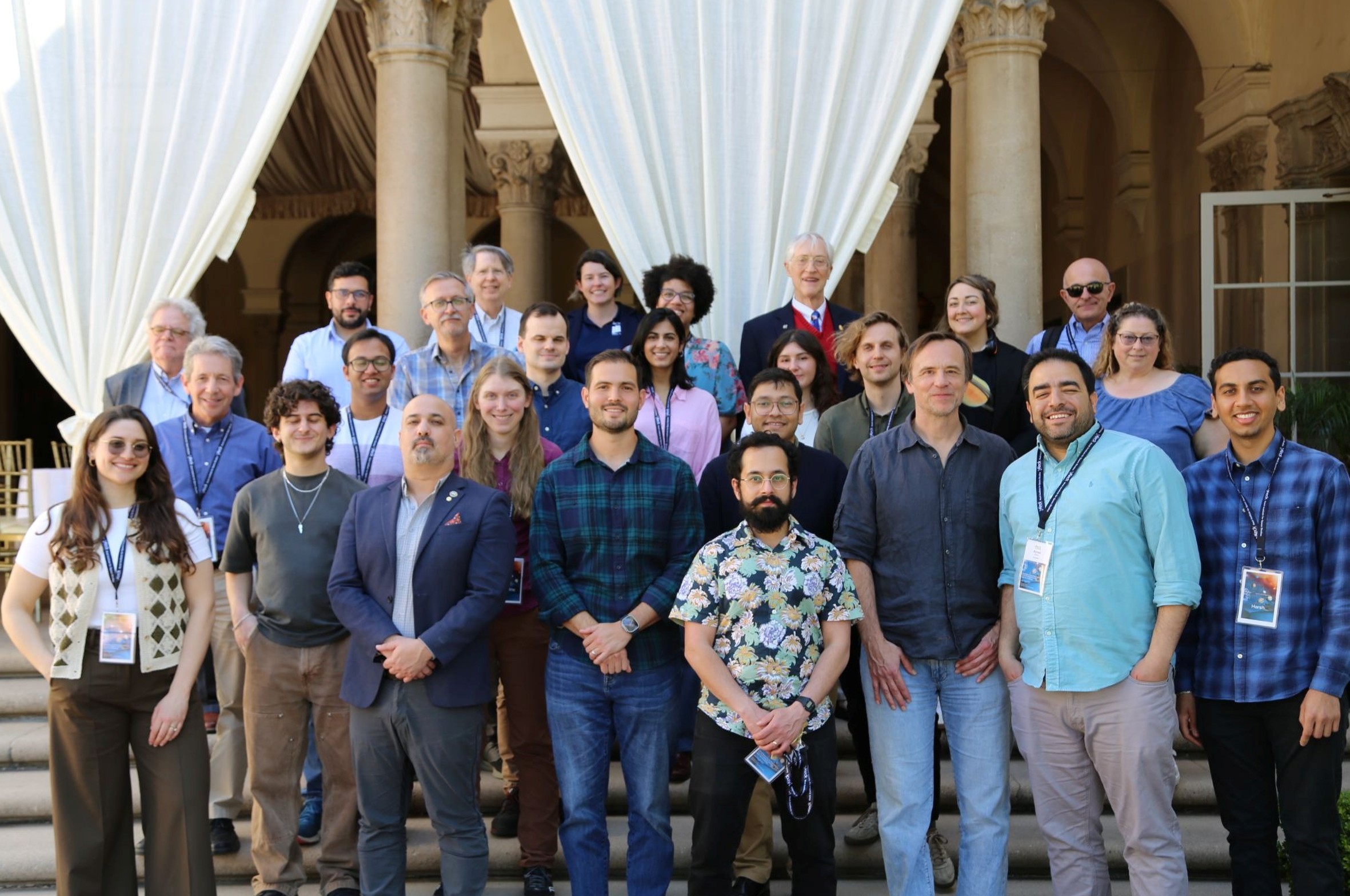
NASA has unveiled research on new observational technology aimed at finding Earth‑like exoplanets by overcoming the longstanding challenge of separating faint planetary signals from the glare of host stars. Researchers at NASA Goddard Space Flight Center, NASA’s Jet Propulsion Laboratory, and NASA Ames Research Center are advancing the Hybrid Observatory for Earth‑like Exoplanets concept, which combines a starshade in space with large ground‑based telescopes to block stellar light before it enters instruments and improve direct imaging capability for distant rocky worlds. The work is part of NASA’s Innovative Advanced Concepts (NIAC) program, which supports early‑stage studies that could enable future missions targeting terrestrial exoplanet detection.
The proposed Hybrid Observatory for Earth‑like Exoplanets uses an orbiting starshade flying in formation with powerful ground telescopes to cast a deep shadow on stellar targets, enabling sensors to detect and separate the reflected light from Earth‑sized planets in the habitable zones of nearby stars. This approach addresses the core limitation of conventional telescopes, where intense starlight typically overwhelms the weak signal from planets. The research emphasizes high‑fidelity, wide‑band spectroscopy made possible by the starshade’s suppression of glare, a capability that could reveal atmospheric composition and surface properties of candidate worlds once such systems can be built and deployed.
Developing practical engineering pathways for the starshade and associated systems remains a significant focus of ongoing studies, as the technologies involved push the boundaries of precision formation flying, deployable structures, and high‑contrast imaging. Hybrid observatory concepts like this build on decades of exoplanet research, including transit and coronagraph methods pursued on missions such as the Nancy Grace Roman Space Telescope and proposed flagship observatories designed to characterize Earth‑like planets. Advancing these technologies supports NASA’s broader goals for identifying potentially habitable exoplanets and laying technological groundwork for future deep‑space observations.