Optical Vortex Phase Masks for the Detection of Habitable Worlds
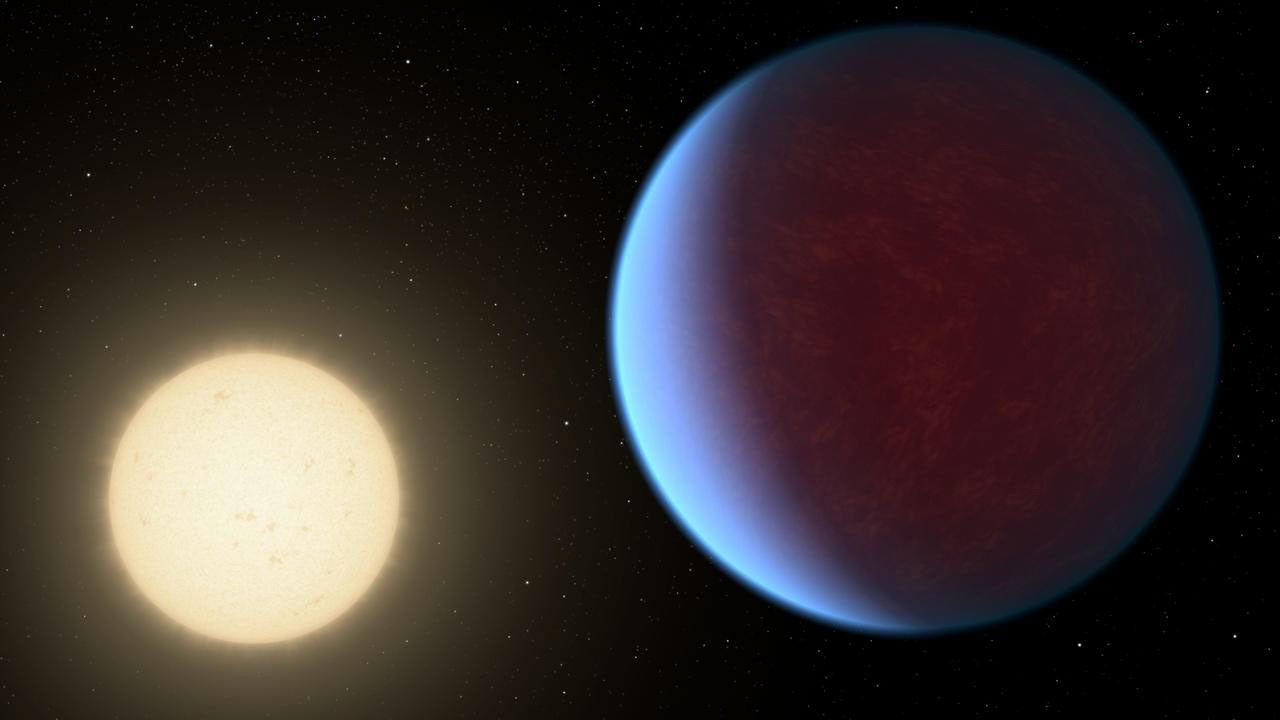
NASA researchers are advancing a new class of optical vortex phase masks designed to suppress starlight in next‑generation space observatories, enabling direct observation of Earth‑like planets around nearby stars. Optical vortex masks modify the phase of incoming light in a spiral pattern that redirects the central glare of a star away from a telescope’s imaging plane, creating contrast levels necessary to detect faint exoplanets in the habitable zone. These developments support NASA’s goal within its Astrophysics Division to improve high‑contrast imaging technology for future missions that could perform spectroscopic analysis of exoplanet atmospheres.
The optical vortex phase mask concept uses azimuthal phase modulation that increases around the mask’s centre to achieve deep starlight suppression, a technical requirement far beyond what traditional coronagraph masks can deliver. Two primary configurations, scalar and vector vortex masks, alter light either through pathlength changes or polarization rotation, respectively, and can be fabricated with materials such as birefringent liquid‑crystal polymers. These components are being refined to meet stringent contrast goals for space‑based telescopes, where residual stellar light must be reduced by many orders of magnitude to reveal planets that reflect only a tiny fraction of their host star’s brightness.
This technology is part of a broader push in astrophysics to equip flagship observatories with direct imaging capabilities. Future missions like the Habitable Worlds Observatory, which is being designed to image and spectroscopically characterize dozens of Earth‑sized worlds in habitable zones, will rely on ultra‑high contrast coronagraphs or starshades to block starlight sufficiently for planet detection and atmospheric study. Optical vortex phase masks contribute to the instrument suite needed for that level of performance by pushing coronagraph contrast closer to the thresholds required for habitable exoplanet identification and follow‑up science.