Science Through Shadows: How Astronomical Alignments Reveal the Universe
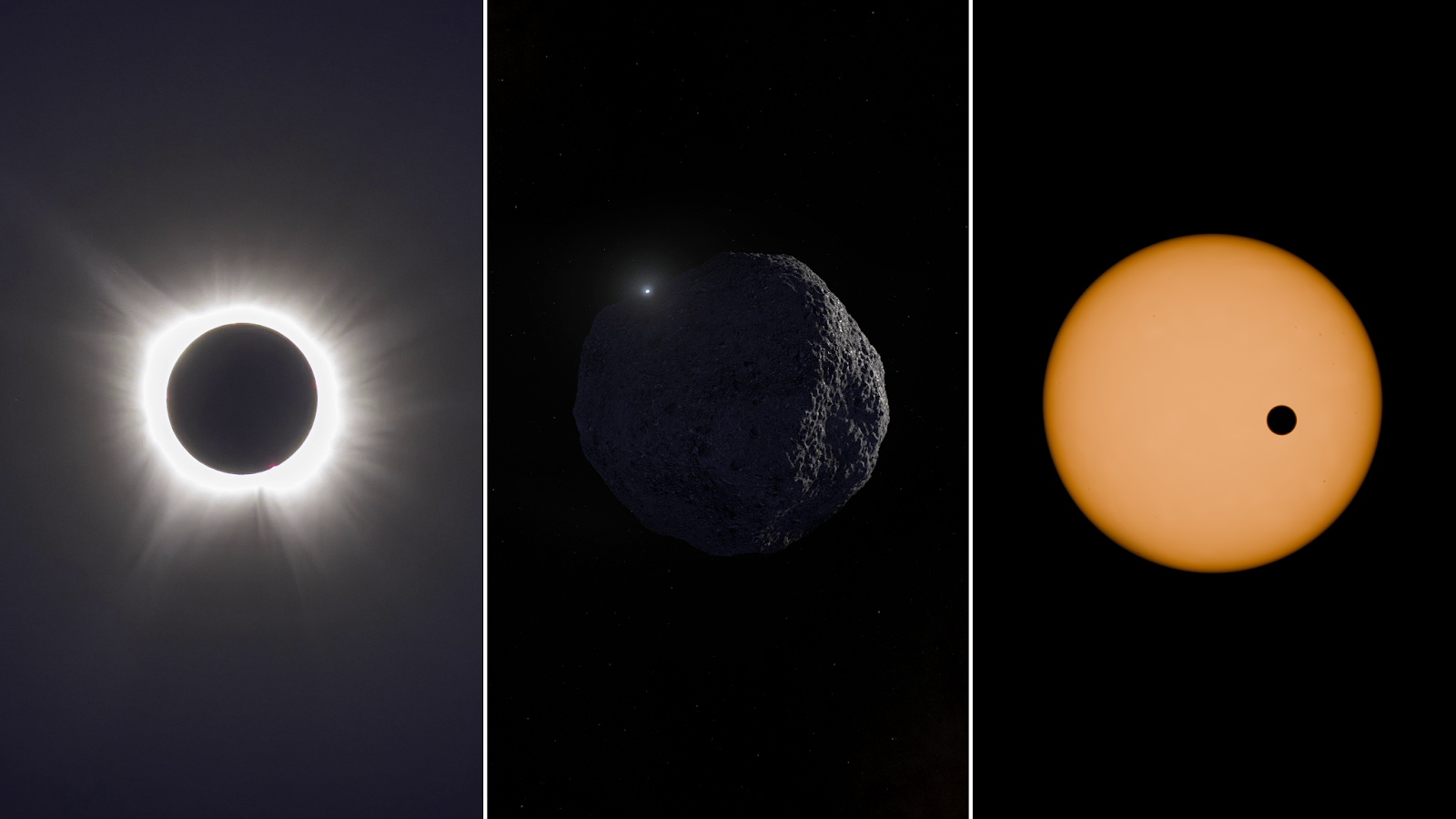
NASA’s Science Through Shadows project, led by the Fiske Planetarium at the University of Colorado Boulder and funded by the agency’s Science Activation program, explores how celestial alignments such as eclipses, occultations, and transits provide concrete observational opportunities to study the universe. These alignments occur when one astronomical object passes in front of another and casts a moving shadow that can be observed from Earth or by spacecraft, enabling researchers to measure sizes, shapes, orbital characteristics, and atmospheric features of distant objects. The project’s series of short films and educational resources illustrate how scientists exploit the changing light during these events to enhance understanding of objects ranging from the Sun to remote asteroids and exoplanets.
The Science Through Shadows collection includes content on the October 14, 2023 annular solar eclipse, known for its “ring of fire” alignment across North America, and examines how NASA missions integrate shadow‑based data. Films in the series also focus on observations from missions such as the Parker Solar Probe, which reached record speeds near the Sun’s corona, and the PUNCH mission’s four low‑Earth orbit satellites designed to map how solar wind evolves from the Sun toward Earth. By capturing how light and shadow interact during these transient events, astronomers can refine asteroid and planetary ephemerides, detect atmospheric signatures during exoplanetary transits, and provide classroom audiences with clear, science‑driven examples of astronomical measurement techniques.
Resources developed through the project are freely available in multiple formats, including flat screen and fulldome versions in English and Spanish, and are intended for use in classrooms, planetariums, libraries, and other informal science venues. The films not only make the physics of eclipses and occultations accessible to broad audiences but also link learning activities with citizen science opportunities that empower students, educators, and volunteers to participate in real observational campaigns tied to solar and planetary science.